Topic Arbitrage: Porting Angles Across Industries
 Written by James Parsons • Updated September 25, 2026
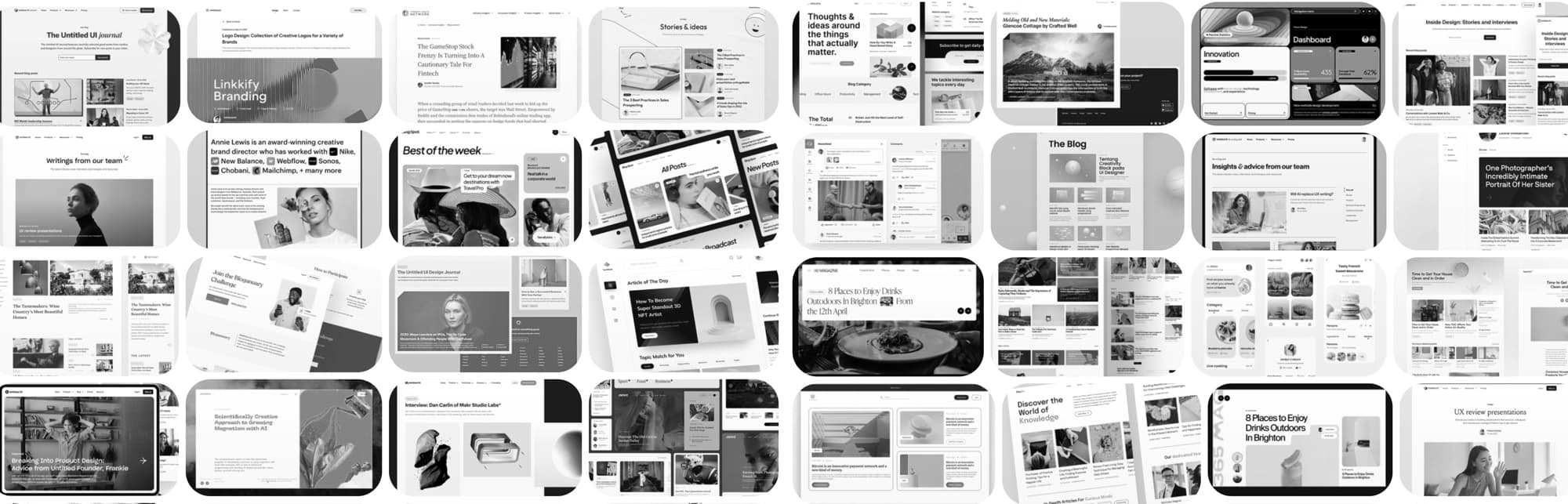
The concept borrows its name from financial arbitrage - the practice of exploiting price differences across markets to generate profit. In content terms, the logic is identical. An angle that commands massive attention in the fitness industry could be untapped in the legal services space. A storytelling frame that dominates personal finance newsletters could be great in B2B manufacturing content. The difference between markets is where the opportunity lives, and most creators never think to look across the fence.
To be clear, this is not about plagiarism or lazy imitation. Nobody is copying articles word for word and slapping a new logo on them. Topic arbitrage is about recognizing that a structural strategy - a narrative arc, a counterintuitive premise, a type of data proof - has demonstrated resonance with human psychology, and then putting that same structure to a very different subject matter. The idea is yours. The audience is yours. The execution is yours. You are basically skipping the part where you spend months accidentally reinventing a wheel that already rolls well.
What follows breaks down how this works in practice - where to look for proven angles, how to adapt them without losing what makes them work, and why the industries least likely to share an audience are usually the most fertile ground for this creative borrowing.
Key Takeaways
- Topic arbitrage means porting proven content angles from one industry into another where that angle hasn't yet appeared.
- Portable angles tap universal emotions like fear, identity, and effort - not industry-specific language or context-dependent trends.
- Reddit, niche newsletters, and trend tools help identify rising angles before they peak, giving creators a timing advantage.
- Successful translation requires keeping the original angle's emotional "frame" while replacing the industry-specific "fuel" beneath it.
- Five highly portable angle archetypes include: the counterintuitive take, underdog system, hidden cost of inaction, expert blind spot, and unsexy solution.
Table of Contents
Why Some Angles Travel Well and Others Flop
The angles that move well across industries are usually rooted in something universal. Fear of losing out, the pull toward a faster path, the desire to feel like part of the right group - these resonate because they connect to how people think and feel, not to what industry they are in.
An angle like "what experts get wrong about X" works in personal finance, fitness, parenting, and software development because the psychology underneath it is the same everywhere. People want to feel like they have access to something that others miss. That feeling does not belong to any one industry.
The angles that fail to travel are usually the ones tied too closely to a context. A content angle built around a regulatory change, a local trend, or a very niche part of insider language will have a hard time landing anywhere outside its original home. The angle is not bad - it's just that most of its meaning lives inside a particular world.
A helpful way to imagine this is to separate the signal from the noise. The signal is the underlying human tension the angle taps into. The noise is the industry language, examples, and framing layered on top. When you port an angle, you carry the signal and leave the noise behind.
What Makes an Angle "Portable"
Portable angles tend to have a few things in common. They frame a problem in terms of identity, effort, or danger - things every audience relates to regardless of what they do for work. They also tend to create a tension that makes a reader want to resolve it by reading more.
Angles built around identity are especially transferable. "The kind of person who does X" framing works because people across every category care about how they see themselves and how others see them. You can take that structure into almost any new space and it will hold up.
Angles that use a punchline, a cultural reference, or a moment-in-time reaction are much harder to move. They work once, in one place, and then they are done. The more an angle depends on its original context to make sense, the less portable it is.
Where to Spot Arbitrage Opportunities Before They Arrive
The best time to port an angle into a new industry is before that industry knows it needs one. That means watching adjacent spaces closely and finding what's gaining momentum before it crosses over.
A helpful starting point is to follow industries that share your audience but use a different vocabulary. Fitness and productivity writers talk to the same - driven, self-improvement-minded readers - but the language barely overlaps. Personal finance and mental health have the same overlap. When a framing device starts to dominate one of the spaces, it has a chance to land fresh in the other.
Reddit is underrated for this. Subreddits in adjacent niches let you read what people are asking about, complaining about, and responding to right now. The goal is not to find viral posts but to find the questions that appear in different forms because no one has answered them well yet. That gap is where an angle lives.
Niche newsletters are another strong signal. Writers who cover upcoming ideas in one field like to surface themes two to six months before those themes reach mainstream publications. Subscribing to three or four newsletters outside your own industry gives you an early window into what angles are building momentum somewhere else.
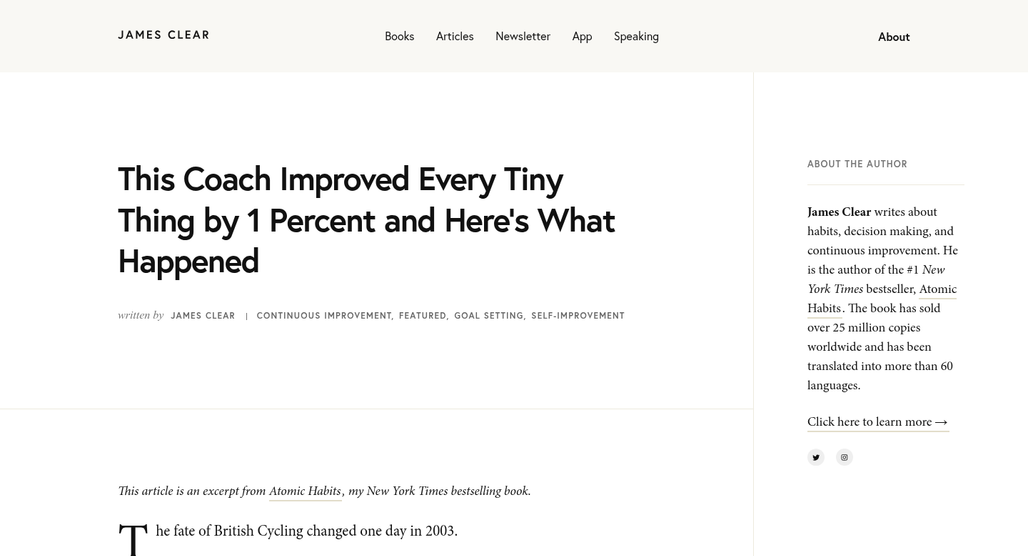
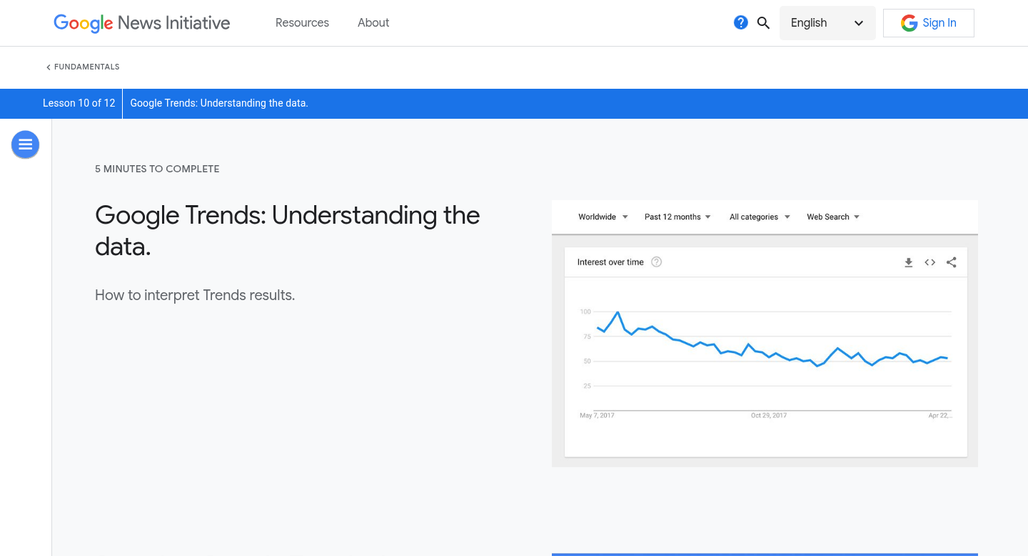
Trend tools like Google Trends or Exploding Topics can also show you when search interest in a topic is climbing but hasn't peaked. You want to find the upward slope before it flattens. Once a topic is everywhere, the angle attached to it has already lost its novelty in the originating industry - but it might still be fresh territory in yours.
| Signal Source | What to Look For | Lead Time |
|---|---|---|
| Reddit communities | Repeated unanswered questions | 1-3 months |
| Niche newsletters | Emerging themes in adjacent fields | 2-6 months |
| Trend tools | Rising search interest before the peak | 1-4 months |
Timing matters more than most writers expect. An angle that arrives late gets written off as derivative even if the execution is strong. The window between "this is gaining traction" and "this is everywhere" is shorter than it looks from the outside.
The Translation Layer: Adapting Angles Without Losing Their Power
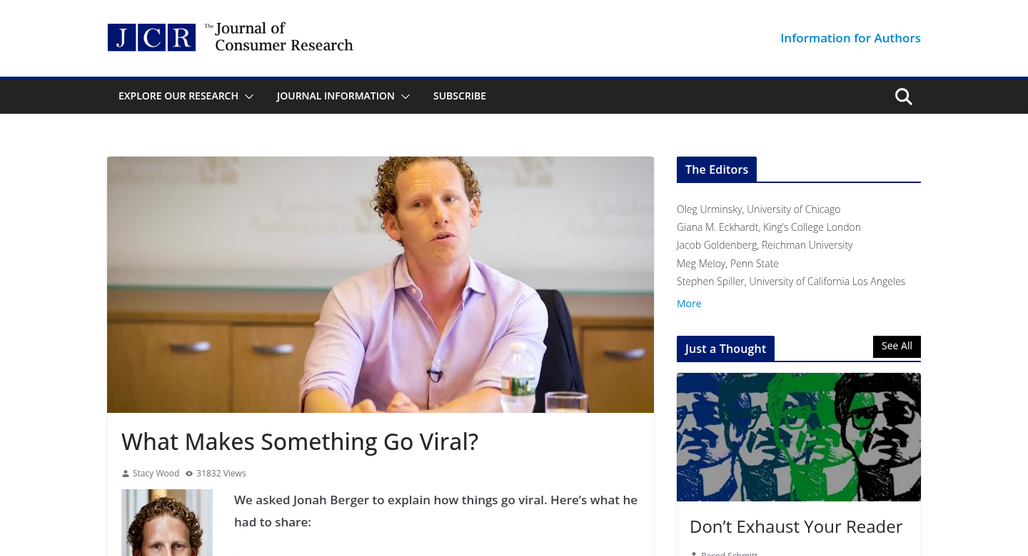
Finding an angle in another industry is the easy part. The harder work is carrying it across without flattening it into something generic. Most writers get this wrong by copying the structure of an angle while stripping out everything that made it land.
Think about how "marginal gains" moved from professional cycling into business writing. The original idea was precise: small, measurable improvements to equipment, sleep, and nutrition that compound over a season. When that angle arrived in business content, the writers who did it well kept that accuracy. They found equivalent specifics - response time, meeting length, onboarding steps - instead of just gesturing at "small improvements add up." The ones who did it poorly left out the specificity and ended up with something that felt like a motivational poster.
That's the core mistake to watch for. An angle has two layers: the frame and the fuel. The frame is the structure - the comparison, the tension, the counterintuitive take. The fuel is the concrete thing that makes it feel worth reading. When you port an angle to a new industry, you have to replace the fuel while keeping the frame.
Swapping technical language is the most visible part of this process but not the part that matters most. Words are easy to change. What takes more work is finding the equivalent pain point in the new industry - the moment of frustration or failure that the angle speaks to. The hero's journey frame moved from storytelling into marketing not because someone replaced "protagonist" with "customer." It worked because marketers found the emotional equivalent: the point where a customer knows they have a problem but hasn't yet committed to solving it. Understanding the role of emotional triggers in blog titles can help you identify these moments more precisely.
A helpful exercise is to write out what the original angle is about at a human level - not the industry-specific version, but the underlying tension. Then ask what situation in your target industry produces the same tension for the same reasons; that's your translation point. Tools like NLP analysis applied to existing content can surface the language patterns that signal where that tension lives.
| Original Angle | Source Industry | What Made It Work | Translation Point |
|---|---|---|---|
| Marginal gains | Competitive cycling | Measurable specificity | Find equivalent trackable units in the new field |
| Hero's journey | Storytelling | Emotional arc of change | Map to the customer's decision process |
| Pre-mortem analysis | Medicine | Imagining failure before it happens | Apply to product launches or campaign planning |
Reframing the stakes is the final piece. Every industry has a different version of "what goes wrong if you ignore this" and your angle needs to speak to that version directly to feel native instead of imported.
Angles That Consistently Port Across Almost Any Industry
Some angle archetypes show up everywhere because they tap into emotions that don't change no matter what industry you're in. Jonah Berger's research on viral content points to helpful value, surprise, and social currency as the core drivers that make ideas spread. These archetypes work because they line up with those same triggers.
The counterintuitive take is probably the most portable of all - it works because it challenges something already believed, and that tension pulls attention in any niche. A fitness writer uses it to argue that rest days build more muscle than extra training. A financial advisor uses the same structure to argue that paying off debt slower can leave you wealthier.
The underdog system angle works on a similar principle - it positions a smaller, less glamorous strategy as the one that actually delivers results against a dominant strategy. You see this in software (open-source vs. business tools), in cooking (cheap cuts vs. premium proteins), and in marketing (organic reach vs. paid acquisition). The emotional hook is the same across all three.
Then there's the hidden cost of inaction - this angle reframes a passive choice as an active one with a price tag. Healthcare content uses it to talk about what skipping annual checkups actually costs in the long run. Supply chain content uses it to show what a lack of redundancy does to a business over time. The reader isn't being sold something new but being shown what staying still is already costing them.
| Angle Archetype | Core Emotional Hook | Industries It's Moved Between |
|---|---|---|
| The Counterintuitive Take | Curiosity, tension with existing beliefs | Fitness, finance, parenting, productivity |
| The Underdog System | Validation, rebellion against the mainstream | Tech, cooking, marketing, investing |
| The Hidden Cost of Inaction | Low-level anxiety, reframing of a passive choice | Healthcare, logistics, HR, personal finance |
| The Expert Blind Spot | Skepticism, empowerment | Medicine, law, real estate, education |
| The Unsexy Solution | Relief, practicality over aspiration | Entrepreneurship, weight loss, home improvement |
The expert blind spot and the unsexy solution round out the list nicely. The first gives readers permission to question authority in a field where they've felt powerless. The second delivers relief by cutting through the noise and landing on something boring that actually works. These aren't tricks you use once and toss - they're structures you return to and rebuild around whatever your subject happens to be.
Stop Reinventing - Start Rerouting
Start small this week. Pick one industry that orbits yours - not a direct competitor's space. But something adjacent enough to be interesting and distant enough to feel fresh. Spend an hour with their top-performing content. Look for the frameworks, the narratives, the recurring tensions. Then open your own content archive and ask: where are the gaps? What angles have you been ignoring because they felt like someone else's territory?
- Choose one adjacent industry to monitor this week
- Audit your last 10 pieces of content for borrowed angles you haven't tried yet
- Set up a simple system - a folder, a swipe file, a tagged bookmark list - to capture cross-industry ideas as you find them
The next time you sit down to create and feel like everything has already been said, remember: it probably has - just not here and not for your audience. That gap is the opportunity. You don't need a new idea. You need a better eye for where the good ones are hiding.
FAQs
What is topic arbitrage in content creation?
Topic arbitrage means taking a proven content angle from one industry and applying it to another where that angle hasn't appeared yet. It's not plagiarism - it's recognizing that certain narrative structures resonate universally and using them in a new context with original ideas and execution.
Which content angles travel best across different industries?
Angles rooted in universal emotions like fear, identity, and effort travel best. Archetypes such as the counterintuitive take, the underdog system, and the hidden cost of inaction work across nearly any industry because they tap into human psychology rather than industry-specific context.
How do you find topic arbitrage opportunities early?
Monitor Reddit communities for unanswered questions, subscribe to niche newsletters in adjacent industries, and use trend tools like Google Trends or Exploding Topics. These sources can give you a one-to-six-month lead before an angle peaks in its original industry.
How do you adapt an angle without losing its impact?
Keep the emotional "frame" of the original angle while replacing the industry-specific "fuel." Find the equivalent pain point in your target industry that produces the same human tension, then rebuild the concrete specifics around that - don't just swap terminology.
What angles consistently fail when ported to new industries?
Angles tied to specific regulations, local trends, or insider language rarely translate well. If an angle depends heavily on its original context to make sense, it loses meaning when moved. Cultural references and moment-in-time reactions are also poor candidates for porting.

Related Posts

Leave a Comment


Fine-tuned for competitive creators
Topicfinder is designed by a content marketing agency that writes hundreds of longform articles every month and competes at the highest level. It’s tailor-built for competitive content teams, marketers, and businesses.
Get Started