What is "Query Deserves Diversity" and How to Use It?
 Written by James Parsons • Updated April 15, 2026

Recently, I talked about a kind of query search engines have to deal with, called a QDF query.
To recap, QDF stands for Query Deserves Freshness, and it's an indicator that a given search is best answered by search results that are newer.
Essentially, it's a modifier on search results for a given query, where a query with a higher QDF rating more heavily biases the search results towards recent content, while a query with a lower QDF rating can be best satisfied with established, authoritative results.
This is just one of the many ways a query can be evaluated, so the search engines can provide the most appropriate results. Another, which I'm going to talk about today, is similar: QDD, or Query Deserves Diversity.
Key Takeaways
- QDD (Query Deserves Diversity) occurs when search engines can't determine exact intent, so they show varied results.
- QDD keywords are typically short, vague queries with multiple possible meanings, unlike specific long-tail keywords.
- Voice search and AI tools like ChatGPT are making QDD queries less common by encouraging more specific searches.
- For QDD queries, Google prefers broad resource pages over narrow content, as they satisfy more users.
- Using QDD keywords as content cluster centers, with focused supporting pages, is an effective targeting strategy.
What is QDD?
Much like QDF, QDD is a pretty old concept. Articles written about it go at least as far back as 2008, and probably earlier. It's another way that Google (and, probably, other search engines) understands the intent behind queries, and presents results that are most useful.
In this case, QDD is almost an anti-QDF. QDF biases search results towards more recent content. It's why certain newsworthy queries and topics will show a bunch of news results, even if all of those results are basically the same (or, in some cases, identical syndications of the same content on different news org sites.)
QDD pushes results in the opposite direction, and it actually stems from uncertainty. It occurs when a query is simple enough and doesn't have enough data behind it for the search engines to know what, exactly, you're asking for.
For example, if you go to Google and type in "QDD" as your search, you get a very diverse set of results, because an acronym like QDD can mean a lot of different things. So, you have results about:
- Quick Disability Determinations, a fast-track process for social security administration and disbursements.
- Qualified Derivatives Dealers, a set of requirements for broker-dealers to handle taxes.
- Quasi Direct Drives, a kind of motor used in robotics.
- Quality-Driven Development, a kind of software development mindset.
- Query Deserves Diversity, what we're talking about today.
Though I cheated a bit here, the first page of Google search results actually only includes the first two of those. Google knows that there can be a ton of different meanings behind QDD, but they also know that, across millions of searches of the phrase, two tend to stand out as most important, and serves those the most.

Here's another example: GDP.
In this case, GDP is mostly referring to just one meaning: Gross Domestic Product, which is an economic indicator of a state or country. You can assume that 99% of the time, when someone searches for GDP, that's what they're looking for.
The question is, what kind of information related to GDP is going to satisfy them? It's impossible to say, so Google gives you a bunch of options.
- The Bureau of Economic Analysis's page on the US GDP.
- The Wikipedia page for GDP.
- A general page listing countries ranked by their GDP.
- The World Bank's GDP records for the US.
- The International Monetary Fund's analysis of what GDP is and why it's important.
- Investopedia's description of GDP formulas and their uses.
There are a few results that are similar, like Wikipedia's ranking of countries by GDP, too.
You can see a spread; Google doesn't know why you're searching for GDP, so they'll give you a few different options and see what you click on.
That way, they have a better chance of satisfying you on the front page, rather than requiring you to think more about how to clarify your search intent to get the results you want.
The way Google handles QDD has changed a lot over the years. They used to have a firmer delineation with disambiguated results to give more options. Now, some of their enhanced boxes help you decide, like the People Also Ask box or, more useful, the People Also Search For box (which, for QDD, for example, has things like QDD meaning number, QDD list, and QDD motor).
Most recently, the AI overview can also sometimes help. The AI Overview for QDD starts with a section on what the social security meaning is, but it wraps up with an "Other Potential Definitions of QDD" section that talks about the other possible meanings.
It may also still miss your intent. Even though I listed "Query Deserves Diversity" as one of the possible meanings of QDD, none of Google's search results display that meaning. Not the results page, not the PASF box, not the AI Overview. In fact, I don't even see a page related to Query Deserves Diversity until the 4th page of search results. Needless to say, most people aren't going to page that deep; they'll clarify their search instead.
What Are QDD Keywords?
What makes a keyword or query a QDD keyword?
Vagueness, basically. The shorter and less understandable a query is, the more likely it is to fall into a QDD category. The more possible definitions there are for an acronym, the more possible items that share a model number, the more possible people with a given name, the more diverse the results will generally be to satisfy the most possible users.
This can even apply to queries that you think are fairly understandable. You type in a brand name, obviously, you want to go to that brand's website, right?
Well, no, not necessarily. Maybe someone wanted to see the wiki page for that brand, or wanted to see the stock ticker information for the brand, or maybe they were even looking for a different company that shares the name. What seems obvious to you might not actually be obvious.

Generally speaking, QDD keywords are not long-tail keywords. The long tail is a way to clarify and specify what you're searching for, after all. The more words that make up a query, the more specific that query is, and the less relevant diversity in meaning becomes.
QDD queries are becoming less common for two reasons. The first is the proliferation of "plain language" searching, which has always been around but has expanded with things like voice-activated searching using Google Assistant or Siri. More recently, AI searching through ChatGPT or Perplexity has also been training people to think of agents to ask questions, rather than a machine to give data in response to inputs.
How to Use QDD Keywords
How can you make use of QDD in your content marketing?
Basically, it comes down to three things.
#1: Think About All Possible Query Intents
QDD usually applies to shorter-tail, top-level keywords, because sometimes people will just type in a keyword when they want something more specific, hoping they can find it through the magic of predictive search, or drill down when they don't see it.
But sometimes even a fairly narrow keyword can have a handful of different possible spins, and that's where search intent comes in.
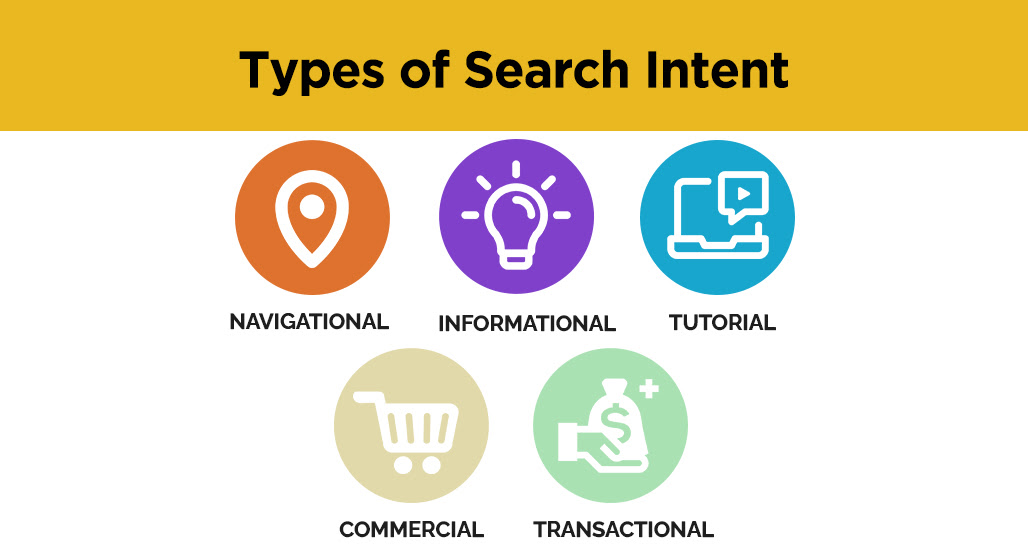
That's where thinking about the possible search intents (navigational, transactional, educational, tutorial, etc.) and doing search intent mapping comes into play.
Just because you think you know what the primary intent is behind a keyword doesn't mean you're actually correct. A lot of keywords can have a lot of different meanings, and each meaning can have different intents behind it, and critically, each of those combinations can be a valuable destination page.
So your key will be to think about the query from all different angles, figure out how many of them are angles you can cover on your site, and create content for them. Even if the top-level keywords are the same, the drill-down long-tail keywords will be different.
#2: Create Narrowly Focused Content
When you have QDD keywords in mind, you have two options for creating content.
The usual way to go about it is this: creating narrow, focused content for one of the possible intents.

This is your best option for traditional marketing paths. By focusing on a narrow intent, you capture anyone from the narrow intent queries up to the QDD queries who have that intent (even if they didn't quite know it yet).
#3: Create Broad Resource Pages
There's one significant drawback to the above strategy, which is how Google tends to satisfy QDD queries. You'll note that a lot of the pages I listed up above for the results for QDD queries are broad and generic. Some have a lot of general data, some are multi-focus resource pages, but basically none of them are hyper-specific.
When faced with the choice of how to satisfy a QDD query, Google is generally going to prefer broader resource pages. Narrower pages might be more valuable if they line up with the user's intent, but they're more likely to miss and not be useful at all. Too much of that, and Google ends up with a reputation for serving irrelevant pages, even if it's more of a problem with the searcher than the results.
Google is also almost never going to give the same website more than one space in the results without special circumstances, like using that site name or doing a site search. You have one shot at it, no matter how many pages on the topic you've created.
This is where things like broad-and-shallow or pillar pages come into play.
Consider: take a QDD query, and use it as the center of a content cluster. All of the possible meanings that are relevant to you are mentioned in the pillar post, and you have narrower, more focused content for each of them linked out. Those narrower pages hit the searches for specific keywords, while your pillar gets representation in the QDD results.
In that sense, QDD keyword targeting isn't all that different from targeting any general, top-level seed keyword. It also might change more if agentic search picks up a lot of steam, but that will remain to be seen. For now, content clusters are the way to go.

Related Posts


Leave a Comment


Fine-tuned for competitive creators
Topicfinder is designed by a content marketing agency that writes hundreds of longform articles every month and competes at the highest level. It’s tailor-built for competitive content teams, marketers, and businesses.
Get Started