Regulatory Change Monitoring as a Topic Pipeline
 Written by James Parsons • Updated October 21, 2026

Most organizations respond to regulatory complexity by building a monitoring system: RSS feeds, legal alerts, subscription services, maybe a shared inbox where someone - usually the same overworked someone - tries to triage what actually matters. That gets organizations part of the way there. But the harder problem isn't catching regulatory changes - it's learning about what to do with them. Which changes need immediate action? Which ones are worth communicating to clients or stakeholders? And which ones represent the kind of substantive topic that a content team could turn into something legitimately helpful?
That last question is where most organizations leave value on the table. A well-run regulatory watching operation isn't just a risk management tool - it's a content engine. Every rule change, proposed rulemaking, or enforcement trend is a signal that your audience is probably looking for answers and looking for clarity, thinking about whether anyone in your space has anything credible to say about it. The organizations that respond with quick content build the kind of trust that's hard to manufacture any other way.
This is about building a watching setup that serves both purposes at once - keeping your organization ahead of compliance obligations while feeding a steady, defensible stream of content topics. The two goals reinforce each other more than you might expect.
Key Takeaways
- Over 55% of regulatory pages changed within 90 days, making manual spot-checking an unreliable method for staying current.
- Regulatory monitoring serves dual purposes: managing compliance obligations and generating a steady stream of defensible content topics.
- Monitoring frequency should match each source's activity level and risk; alert fatigue causes teams to miss genuinely important changes.
- Not every regulatory update warrants content-changed deadlines, new liability categories, and updated definitions are the strongest content triggers.
- Starting with just 10 relevant regulatory sources and tracking alerts for one month can reveal more content ideas than expected.
Table of Contents
Why Regulatory Websites Change More Than You Think
Regulatory agency websites are not static reference pages that agencies update once a quarter and leave alone. Across a monitored set of regulator domains, 55% of pages changed within a 90-day window. Nearly 7 in 10 changed at least once over the course of a year.
That is a surprising amount of movement across sources that many treat as stable.
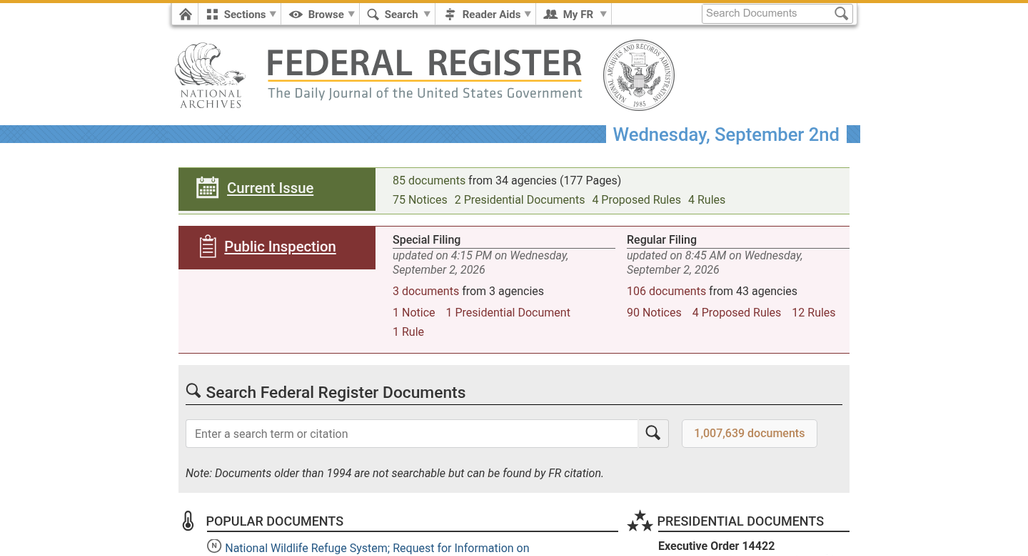
Consider the agencies in play here. The CFPB, SEC, FDA, and FTC update their web presence with new input documents, revised FAQs, and amended rule pages on a rolling basis. European regulators at europa.eu and the UK's ICO do the same. These are not fringe sources - they are the pages that compliance teams and content strategists actually need to watch.
The changes themselves can vary quite a bit. Some are small editorial corrections that carry meaning, like a revised threshold or a quietly updated definition. Others are structural - a new section appears, an old page gets archived, or an input document gets replaced without a formal announcement. None of these changes send a notification email to you.
When did you last manually check your core regulatory sources? Not a general news search. But an actual visit to the agency page itself to look for changes.
For most, the honest answer is that they check when something prompts them to - a news story, a client question, an internal alert. That leaves quite a bit in between where changes on those pages go unnoticed. A page that updates multiple times in a 90-day period can look very different from the version you last read without you ever learning that it changed.
What you might have missed is hard to know without a system to tell you. That is the whole problem. Manual checking works fine as a spot check but it does not scale across an actual list of regulatory sources, and it gives you no record of what changed or when. This is one reason programmatic vs manual research approaches matter so much when you are working at scale.
The frequency data makes a strong case on its own. If more than half of monitored regulatory pages change within three months, then treating those pages as background reference material is a real danger to the accuracy of whatever you produce from them. Keeping your content sources diversified and actively monitored is the only reliable way to stay current.
Building a Regulatory Source List Worth Monitoring
Building a regulatory source list starts with figuring out which sources actually apply to your work. A widespread financial services firm might track 50 to 100 or more regulatory sources across multiple jurisdictions, and that number can become unmanageable without some structure to it.
The most helpful way to put together your list is to group sources by three things: jurisdiction, topic area, and how frequently they update. Jurisdiction tells you who owns the rule. Topic area tells you what part of your business it touches. Update frequency tells you how much attention to give it.
Start with domestic regulators first because those are the laws most likely to affect your day-to-day operations. Then layer in international or regional bodies that have reach into your market. The EU's regulatory output, just to give you an example, has a way of affecting businesses well outside European borders, so it's worth tracking even if your operations are primarily domestic.
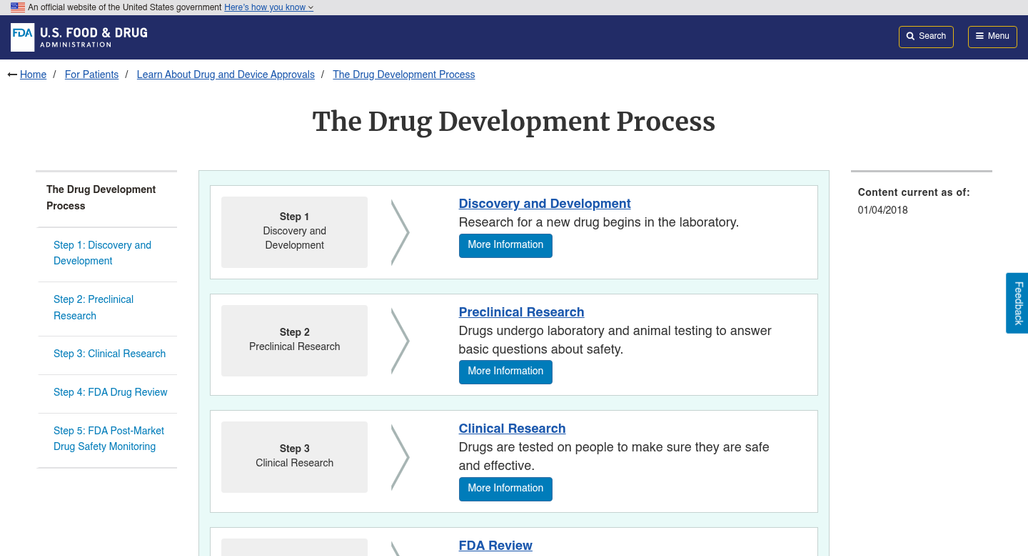
It also helps to separate primary sources from secondary ones. Primary sources are the regulators and legislative bodies that actually create the laws. Secondary sources are things like industry associations, legal publishers, or compliance news outlets that interpret and report on those laws. Both have value. But they serve different purposes in your watching setup. If you're building out your broader content roadmap and research process, a similar principle applies - knowing which sources inform strategy versus which ones execute it keeps everything more manageable.
| Source Type | Examples | Typical Update Cadence | Best Used For |
|---|---|---|---|
| Domestic primary regulator | SEC, FCA, APRA | Weekly to monthly | Direct compliance obligations |
| International regulatory body | FATF, Basel Committee, IOSCO | Monthly to quarterly | Cross-border standards and guidance |
| Legislative source | Federal Register, Official Journal of the EU | Daily to weekly | New laws and formal rulemaking |
| Industry association | ISDA, ABA, SIFMA | Weekly | Industry interpretation and consultation responses |
| Secondary news and analysis | Thomson Reuters, Lexology | Daily | Early signals and commentary |
Once you have your sources grouped this way, gaps become easier to see. You might see you have strong coverage of domestic laws but nothing tracking the international standards that feed into them.
Your list will change over time as your business grows or enters new markets, so treat it as a working document instead of a finished one. One useful habit is setting up Google Alerts to catch emerging signals early so you're not relying solely on manual checks to stay current.
Choosing a Monitoring Frequency That Matches the Risk

Once your source list is in shape, the next question is how you should actually check these pages. The answer depends on the page - not on a blanket schedule you apply to everything.
Data from Visualping shows that 54% of regulatory monitors run every 5 to 60 minutes. But 43% run hourly too. That spread tells you something helpful. Some monitors legitimately need to catch changes within minutes, and others would do just fine with a daily or weekly check.
What matters is to line up the frequency with two things: how fast that source tends to change, and how much that change would affect your audience. A live FDA drug approval page during an active review period is very different from a general document archive that gets updated a few times a year. Treating them the same way gives you either missed updates or a flood of noise.
When to Go High-Frequency
Some pages move fast and carry consequences for readers who act on outdated information. Active rulemaking pages, enforcement action logs, and any source with a pending decision are candidates for close watching. If a change on that page would immediately affect what a writer publishes or what a reader does, that justifies checking it every hour or more.
High-frequency watching is a tool - not a default. Use it where it earns its place.
When Daily or Weekly Is Enough
Most regulatory pages don't move that fast. General guidance documents, annual reporting portals, and large policy pages update on predictable cycles. For these, a daily or weekly check keeps you well-informed without generating a non-stop stream of alerts you'll start to ignore.
Alert fatigue is a real problem worth taking seriously. If every page on your list pings you every few minutes, you'll start tuning out notifications - and that's when something that matters will slip through. A lower-frequency monitor you actually read is more helpful than a high-frequency one you've learned to dismiss. Building a structured daily schedule can help you carve out time to review alerts before they pile up.
| Page Type | Suggested Frequency |
|---|---|
| Active rulemaking or pending decisions | Every 5-60 minutes |
| Enforcement action logs | Hourly |
| Guidance document libraries | Daily |
| Annual reporting portals | Weekly |
| General policy overview pages | Weekly or monthly |
Go through your source list and assign a frequency to each one based on its activity level and its relevance to your content. That small step makes your watching helpful instead of just habitual.
Turning a Regulatory Alert Into a Content Idea

Getting the alert is only half the work. The question is whether it deserves a piece of content, and that takes a bit of honest filtering before anyone starts writing.
Not every regulatory update is worth a full post. A minor technical correction to an existing rule is very different from a new enforcement action or a changed term that changes how practitioners have to work day to day. Those second and third types are the ones worth building content around because they affect decisions people have to make.
A simple triage step helps here. When an alert comes in, ask what a practitioner would need to know to stay on the right side of the change. If the answer is "nothing new, this is just a wording fix," it goes in the log and you move on. If the answer involves a changed deadline, a new category of liability, or updated input that contradicts older advice, that's your content trigger.
This is a place for compliance teams and content teams to work together. Compliance reviewers can flag which alerts have real weight, and content writers can translate that weight into something an audience can act on. Neither side needs to do the other's full job - a short handoff note explaining what changed and who it can affect is enough to get a writer pointed in the right direction.
Audience-first framing matters quite a bit at this stage. Instead of starting from the regulatory text, start from the person reading your content. What were they doing before this change? What do they need to do differently now? That reframe turns a dry update into something legitimately helpful. Local businesses especially can benefit from this kind of practical, action-oriented approach.
New input documents and updated definitions tend to be the most productive content triggers because they usually signal that something was ambiguous before and is now being clarified. That difference between old and new is the space your content can fill. Understanding how parent topics shape your content strategy can help you decide where a regulatory update fits within your broader content structure.
Enforcement actions are worth a separate mention. They show how a rule is being applied in practice, which is usually more instructive than the rule itself. A piece that walks through what an enforcement action means for your audience can be some of the most helpful content in your library. Knowing which types of blog posts struggle to rank after recent algorithm changes can also inform how you format and position this kind of content.
From Noise to Editorial Calendar: Making Regulation Work for You
The cost argument is hard to ignore. Enterprise compliance platforms can run anywhere from $75,000 to well over $1 million per year and most of what they deliver can be approximated - for content purposes, at least - with a disciplined set of RSS feeds, alert configurations and a shared document that logs what changed and why it matters. The goal isn't to replace your compliance infrastructure - it's to stop letting that intelligence die in an inbox.
A helpful place to start: pick 10 regulatory sources relevant to your industry, set up alerts and spend one month noting what surfaces. Don't overthink the format. A plain list of topics, questions clients might ask and angles worth looking at is enough to see if this pipeline has legs for your team. Chances are, within 30 days you'll have more content ideas than you expected - and a clearer sense of which regulatory changes your audience actually cares about.
The challenge isn't technical - it's choosing to pay attention in a more structured way. Most of your competitors aren't doing that yet.
FAQs
What percentage of regulatory pages change within 90 days?
Over 55% of monitored regulatory pages changed within a 90-day window, meaning manual spot-checking is unreliable for staying current on compliance obligations.
How does regulatory monitoring support content creation?
Regulatory changes signal that audiences are seeking answers. Organizations that respond quickly with relevant content build credibility and trust that's difficult to manufacture through other means.
How often should regulatory pages be monitored?
Monitoring frequency should match each source's activity level and risk. Active rulemaking pages may need hourly checks, while general policy pages may only need weekly or monthly review.
Which regulatory changes make the strongest content topics?
Changed deadlines, new liability categories, updated definitions, and enforcement actions make the strongest content triggers because they directly affect decisions practitioners need to make.
How can teams start a regulatory content pipeline cheaply?
Start by selecting 10 relevant regulatory sources, configure alerts, and track what surfaces over one month. RSS feeds and a shared tracking document can approximate expensive enterprise compliance platforms for content purposes.

Related Posts



Leave a Comment


Fine-tuned for competitive creators
Topicfinder is designed by a content marketing agency that writes hundreds of longform articles every month and competes at the highest level. It’s tailor-built for competitive content teams, marketers, and businesses.
Get Started