Anti-Personas: Content That Disqualifies Bad Leads
 Written by James Parsons • Updated October 1, 2026

Most content strategies are built around a single gravitational pull: attract more. More traffic, more signups, more leads in the funnel. The entire industry has optimized for magnetism. But no one talks about the other side of that equation - the content that should be pushing away before they waste everyone's time - like their own.
That's where anti-personas come in. While traditional buyer personas help you picture who you're trying to reach, anti-personas help you get equally clear about who you're not trying to reach - and how to signal that through the content itself. It's a deliberately underused tool, and the teams that use it well tend to have shorter sales cycles, higher close rates, and quite a bit less frustration on both sides of the handoff.
This is about building that filter into your content strategy from the ground up. Not as an afterthought, not as a footnote in your persona documentation. But as an active, intentional layer of how you write, position, and distribute what you publish.
Key Takeaways
- Anti-personas define who you don't want as customers, helping redirect poor-fit leads before they waste resources on both sides.
- Negative lead scoring subtracts points for disqualifying signals, reducing wasted sales effort by 27% according to research cited.
- Specific content-naming team size, budget ranges, and use cases-naturally filters out misaligned visitors before they reach your sales team.
- Pricing transparency actively disqualifies poor-fit leads; Drift saw a 37% drop in customer acquisition cost after publishing visible pricing.
- Filtering out wrong-fit readers sharpens personalization, making messaging more direct and credible for the remaining, better-matched audience.
Table of Contents
What an Anti-Persona Actually Is (And Isn't)
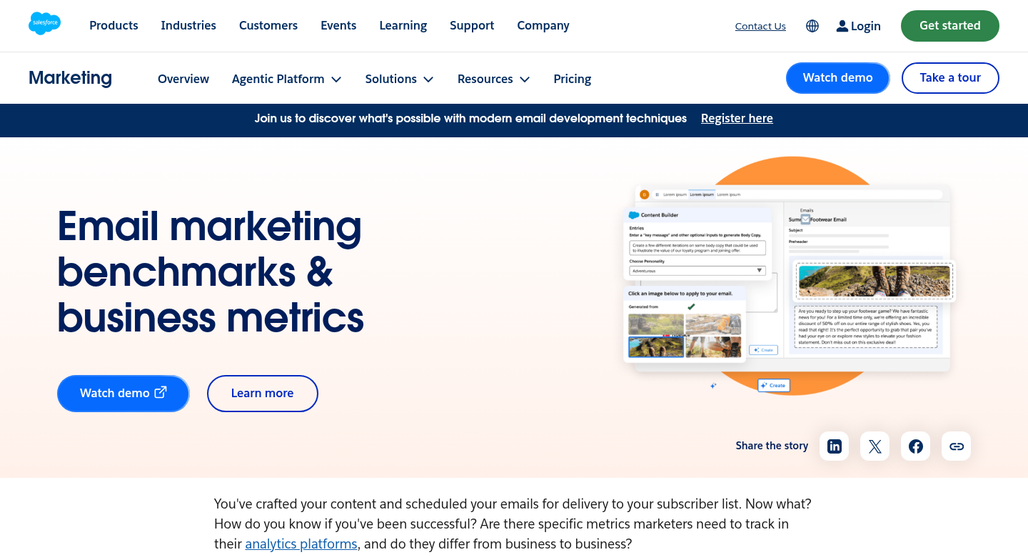
An anti-persona is a fictional profile of someone you don't want as a customer. Not a person who dislikes your brand or who you dislike - just a person who is a legitimately poor fit for what you sell and who would probably leave unhappy even if they converted.
It's different from the buyer persona most marketers know well. A buyer persona describes who you want to draw in. An anti-persona describes who you want to quietly redirect away before they cost you time, money, or a bad review.
People sometimes confuse anti-personas with negative targeting in advertising. They're related but not the same thing. Negative targeting is a tactical execution - you exclude audiences in an ad platform. An anti-persona is a strategic tool that shapes your messaging, your content, and the way you frame your product's value - it works at a higher level than a checkbox in an ad dashboard.
Forrester has reported that 21% of marketing budgets are wasted because of poor data quality. A big part of that waste comes from marketing to people who were never going to be a fit. An anti-persona helps you define that group before you spend money chasing them. If you're also trying to figure out how much budget to allocate to SEO, that same discipline applies.
The concept also gets misread as something mean-spirited - it isn't. You're not writing off a type of person - you're saying that your product has a context where it works and a context where it doesn't. Being honest about that protects both sides of the transaction.
Most teams can describe their ideal customer in basic detail. But far fewer have ever put the same thought into who they'd rather not bring through the door. That gap is where wasted effort lives. Tools like buyer intent analysis tools can help surface signals about who is and isn't a strong fit before you commit budget to reaching them.
The Signals That Reveal a Bad-Fit Lead
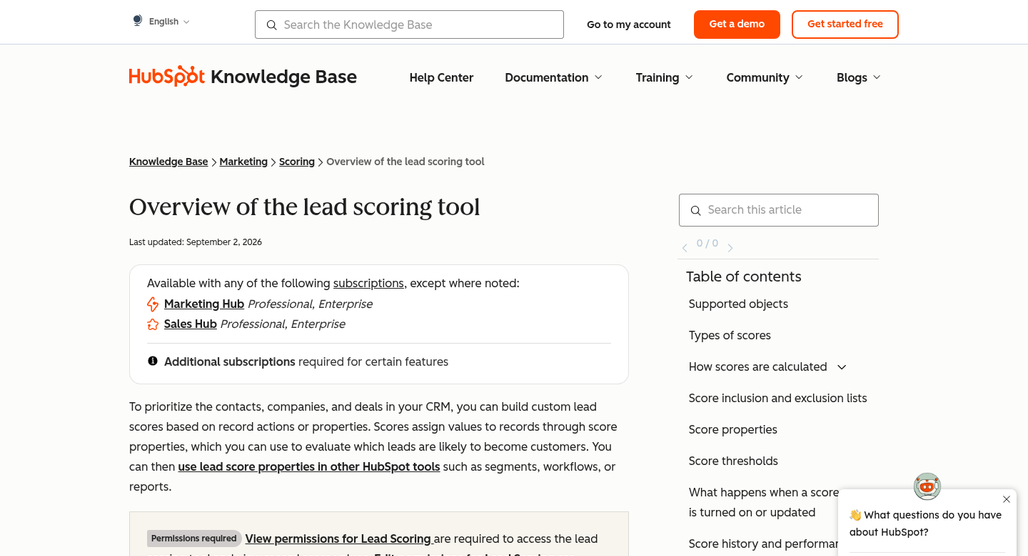
Bad-fit leads don't announce themselves. They fill out your form, join your list, and sometimes even book a call - but the tells were there long before any of that happened.
Firmographic data is one of the first places to look. Company size, industry, and revenue range can tell you quite a bit about whether a prospect has the budget or the infrastructure to get value from what you sell. A solo freelancer who signs up for a business tool is not a prospect - they are a support ticket waiting to happen. Teams that use firmographic data to filter leads have seen conversion rates rise by 28%, which tells you that learning about who fits also means learning about who does not.
Job titles carry weight too. A junior employee who explores tools they can't buy is a different situation from a decision-maker with a problem and a budget to solve it. Neither is automatically a bad lead. But the path from contact to customer looks very different for each person.
Behavioral tells are where things get interesting. Low email open rates, erratic engagement, and a pattern of downloaded free resources with no next step - these are soft tells that most teams ignore. They are not definitive on their own. But together they paint a picture.
The harder case is a lead who looks great on paper. Right company size, right title, right industry - but their behavior does not match. They never connect with product content, they ask questions that suggest they want something different, or their urgency feels disconnected from any timeline. Surface-level fit can mask a deeper mismatch.
Intent signals help to separate genuine interest from casual browsing. Someone who researches broad category terms is in a very different place from a person who has read your pricing page three times this week. Both matter. But for different reasons. Understanding keyword velocity and how it relates to search intent can give you a clearer sense of where a prospect is in their decision process.
How Negative Lead Scoring Filters Out the Wrong People

Most lead scoring systems are built to reward positive signals - a demo request earns points, a pricing page visit earns more. But they stop short of penalizing the tells that tell you someone is a poor fit; that's where negative lead scoring comes in.
The idea is simple. Instead of only adding points for promising behavior, you subtract points when a lead shows disqualifying characteristics. A job title like "Student" or a company with two employees gets a deduction instead of a neutral score - this stops bad-fit leads from quietly accumulating enough positive signals to land in your sales queue.
Research has proven this too. Negative scoring has been shown to cut back on wasted sales effort by 27%, and a single filter targeting job seekers - just a 15-point deduction - cut unqualified leads by 37% on its own; that's an actual reduction from one rule.
A helpful threshold to work with is -25 points. Any lead that hits that number gets removed from active follow-up automatically - this gives your team a hard line to work with instead of a judgment call every time.
| Disqualifying Signal | Points Deducted | What It Suggests |
|---|---|---|
| Job title: "Student" or "Intern" | -15 | Low purchase authority |
| Company size under 5 employees | -10 | Outside ideal customer profile |
| Visits pricing page once, never returns | -8 | Low intent or window shopping |
| Downloads resources but ignores demos | -7 | Content consumer, not a buyer |
Each deduction maps to a pattern of behavior or fit. A lead who downloads three guides but never touches a demo is a content consumer who is not moving toward a buy; it's worth reflecting that in the score instead of treating it as neutral engagement. If you want to better understand what a high-intent blog post looks like, that context helps clarify what genuine buying behavior actually signals.
Negative scoring doesn't toss leads out permanently - it just removes them from conversations they're not ready for yet.
Writing Content That Naturally Repels Poor-Fit Leads
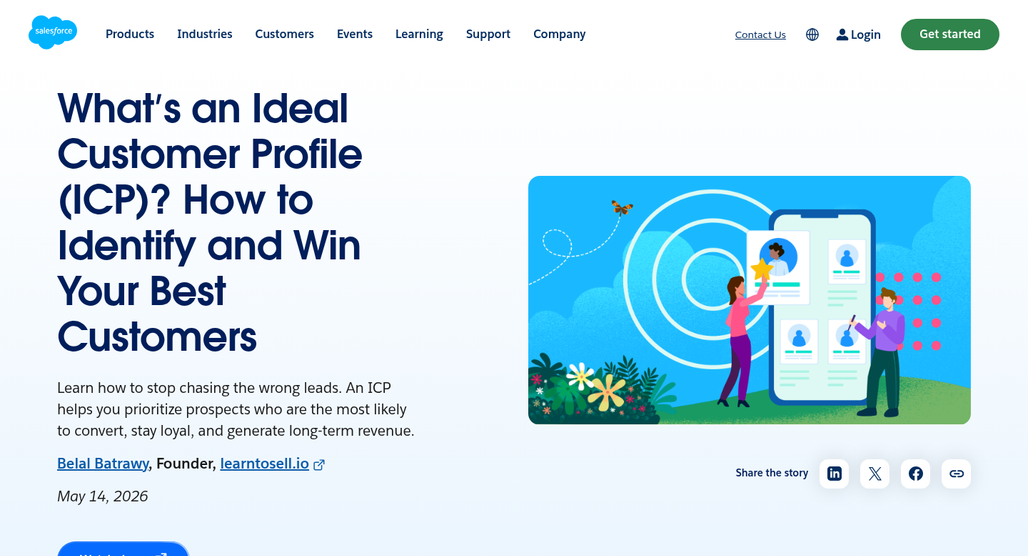
The goal here is to let your content do the filtering work before a lead ever reaches your sales team. That means writing with enough specificity that the wrong person reads it and quietly moves on.
One of the most helpful things you can do is name who your product is built for. Not in vague terms like "growing businesses" but in concrete ones - team size, industry, budget range, or the stage a company is at. When you say "built for ops teams at companies with 50 to 500 employees," a solo founder knows that's not them; it's the outcome you want.
Pricing transparency works the same way. When Drift published pricing that made their business tier's cost visible, they saw a 37% drop in customer acquisition cost within a single quarter - largely by cutting freemium users who had no path to conversion out of the funnel. A price range on a landing page does quiet, continuous work to filter leads by budget fit without anyone having to get on a call first.
It's also worth naming what your product is not built for. Most businesses pause here because it feels like giving something away. But a sentence that says "this isn't the right fit if you need X" builds more trust with the right reader than it loses with the wrong one. The right lead reads that and thinks you get them.
Use case specificity matters too. Instead of listing features, describe the exact problem your product solves and the context it solves it in. That framing lets a misaligned visitor find these themselves as out of scope before they fill out a form.
Think about what your brand has been reluctant to say out loud - who you're not for, what you don't do, where you draw the line on fit; it's usually where the most helpful filtering content lives.
Aligning Anti-Persona Content With Personalization Strategy
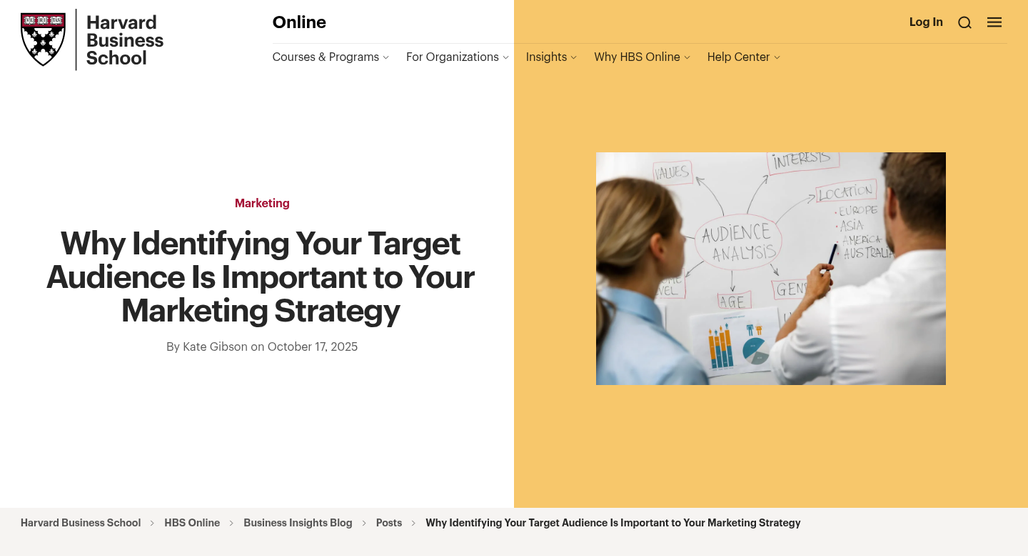
When you filter out the wrong leads, something helpful happens to your messaging. You stop writing for everyone and start writing for someone specific; it's where personalization gets its power - not from adding a first name to an email, but from making a reader feel like the content was built around their situation.
McKinsey research found that personalization can drive a 10-15% revenue lift, and that number makes more sense when you think about what personalization actually does - it removes friction for the right reader. Anti-persona content does the same thing from the opposite direction - it removes the wrong readers so your message can land harder for the ones who remain.
One helpful way to put this into action is to segment your content by how well a reader fits your ideal customer profile - this works in three loose tiers: content for strong-fit leads that goes deep on value and next steps, content for borderline leads that surfaces your requirements so they can self-qualify, and content for poor-fit visitors that's honest enough to redirect them before they go further. Each tier does a different job.
There is a tension worth naming here. Being selective in your content can seem like narrowing your audience too much. But watered-down content that tries to speak to everyone tends to connect with no one. The goal is not to be exclusive for its own sake - it's to be relevant to the people you help.
Anti-persona thinking sharpens that relevance. When you're clear about who your content isn't for, your language for the right reader gets more direct and credible. You're not hedging. You're not softening your requirements to protect your conversion numbers. You're trusting that a smaller, better-fit audience will respond more than a large, scattered one ever would.
That trust is what makes personalization work at a strategy level - not just a tactical one.
Stop Trying to Win Everyone - Start Winning the Right Ones
If you're not sure where to start, it's easy. Pick one high-traffic piece of content and ask if it's quietly attracting people you can never help. Draft one anti-persona based on a lead type your sales team dreads seeing in the pipeline. Then open your lead scoring model and look for what's missing - most scoring systems reward positive tells but ignore the negative ones that matter just as much. Those three steps won't overhaul your funnel overnight. But they'll show you where the gaps are.
The deeper change is in how you define traffic. A smaller audience that's legitimately ready to buy, switch, or commit will always outperform a large audience that was never going to convert. Content that disqualifies isn't a failure - it's doing what it should.
FAQs
What is an anti-persona in content marketing?
An anti-persona is a fictional profile of someone who is a poor fit for your product. Unlike buyer personas, anti-personas help you identify and redirect the wrong leads before they waste your time or theirs.
How does negative lead scoring work?
Negative lead scoring subtracts points when leads show disqualifying signals, such as a student job title or a company with fewer than five employees. This prevents poor-fit leads from accumulating enough positive signals to reach your sales team.
How can content naturally filter out bad-fit leads?
By being specific about team size, budget ranges, and use cases, your content signals who it's built for. Misaligned visitors self-select out before filling out a form or booking a call.
Does publishing pricing help disqualify poor-fit leads?
Yes. Drift saw a 37% drop in customer acquisition cost after making their pricing visible, largely by filtering out users with no realistic path to conversion before any sales conversation occurred.
Does filtering leads hurt personalization efforts?
No, it strengthens them. Removing poor-fit readers lets you write more directly for your ideal audience, making messaging sharper and more credible rather than diluted by trying to appeal to everyone.

Related Posts


Leave a Comment


Fine-tuned for competitive creators
Topicfinder is designed by a content marketing agency that writes hundreds of longform articles every month and competes at the highest level. It’s tailor-built for competitive content teams, marketers, and businesses.
Get Started