What is Keyword Velocity and Why Does It Matter for SEO?
 Written by James Parsons • Updated April 23, 2026

Search interest is never static. Some keywords are climbing fast, catching momentum as patterns build and audiences grow. Others are plateauing, holding steady but no longer accelerating. And some are quietly fading, their search volume declining in ways that are not necessarily visible until ranking drops have already happened. The rate at which a keyword gains or loses search interest over time is what SEO pros refer to as keyword velocity, and it's one of the more underappreciated tells available when building a content strategy.
Keyword velocity does not need to mean abandoning everything about traditional keyword research. Think of it less as a replacement and more as an extra layer - one that can add a sense of timing and momentum to the decisions you are already making. A high-volume keyword with declining velocity tells a very different story than a lower-volume keyword that's fast gaining ground, and learning about the difference can meaningfully change how you prioritize your work.
I'll break down what keyword velocity actually means, how to measure it, and how to put that knowledge to helpful use - whether you are planning new content, auditing existing pages, or trying to stay ahead of changes in your niche.
Key Takeaways
- Keyword velocity measures how fast a keyword gains or loses search interest over time, adding momentum context to static volume data.
- Google's Query Deserves Freshness system responds differently to fast spikes versus slow climbs, affecting which content it prioritizes.
- Early velocity signals include rising Search Console impressions, Google Trends upticks, competitor content surges, and social media discussion.
- High velocity can work against you if content is rushed, over-optimized, or built around short-lived trends rather than genuine behavioral shifts.
- Slow-climbing keywords suit evergreen content, while rapid spikes call for fast, focused pieces published while interest is still rising.
Table of Contents
The Core Idea Behind Keyword Velocity
Keyword velocity is the rate at which a keyword changes over time - either in search volume, in ranking position, or in both. It's not about where a keyword stands, but about how fast things are moving in one direction or another.
Kind of like the difference between learning about your position on a map and learning about how fast you're travelling. Your position tells you where you are. Your speed tells you where you're likely to be next. Both pieces of information matter. But speed can add something that a static snapshot never can - it tells you about momentum.
Most keyword tools give you a fixed picture. You see a search volume number, a difficulty score, and maybe a ranking position. Those numbers are helpful. But they describe a single moment in time. They don't tell you if that keyword is gaining traction fast or quietly losing it.
Velocity fills that gap. A keyword with 500 monthly searches is one thing. A keyword with 500 monthly searches that doubled in the last 60 days is a very different opportunity. The number alone doesn't show you that - the rate of change does.

The same thing goes with ranking positions. A page sitting at position 8 might look unremarkable in a standard report. But if that page has climbed from position 30 in the past few weeks, that movement tells you something is working. Velocity gives that context.
It's worth separating two things here: search volume velocity and ranking velocity. Search volume velocity tracks how interest in a keyword is growing or declining across all users. Ranking velocity tracks how a page is moving up or down for that keyword in search results. They're related. But they measure different things. Understanding how keyword ranking works in SEO can help you interpret both signals more clearly.
| Metric Type | What It Measures | What It Misses |
|---|---|---|
| Static Search Volume | Total monthly searches at a point in time | Whether that number is growing or declining |
| Search Volume Velocity | The rate of change in search demand | How well your page is actually ranking |
| Ranking Velocity | How fast a page moves up or down in results | Whether underlying search demand supports it |
Measuring change instead of just measuring a snapshot is what makes velocity a tool for understanding where a keyword is actually headed.
How Search Engines Respond to Velocity Shifts
Google is always watching what people search for and how those searches change over time. When a keyword starts to get quite a bit more attention in a short period, Google's systems take notice and start to ask a fairly simple question: does this spike go with something people need fresh information about?
This is where an idea called Query Deserves Freshness comes in. Google uses it to choose when newer content should rank above older content for a given search. If a keyword is tied to a news story, a product launch, or a seasonal event, Google will push recent pages to the top - even if those pages haven't built up years of authority.
Not every spike gets the same treatment, though. A sudden surge in searches for a breaking news topic is very different from a slow, steady increase in searches for something like a home improvement technique. Fast spikes signal a need to prioritize recency. But slower growth rewards pages that have built up genuine relevance over time.

The pattern of growth actually matters as much as the growth itself. A keyword that doubles in search volume overnight is likely tied to something time-sensitive.
If Google sees that searches for a keyword are falling off, it may start to deprioritize content that was once performing well for that term. Pages don't always get penalized. But they can lose ranking ground as fresher or more relevant content fills the space.
A fast surge says "people want this right now." A slow climb says "people are increasingly interested in this." A drop says "interest is fading." Each pattern puts your content in a different position and changes what Google is likely looking for with it.
Velocity tells you something about how Google is likely to weigh your content against everything else competing for the same keyword at the same time.
Signals That Indicate a Keyword Is Gaining or Losing Momentum
Knowing that keyword velocity matters is one thing. But reading it in time is where the real value comes in. There are a few places to look, and some tells show up earlier than others.
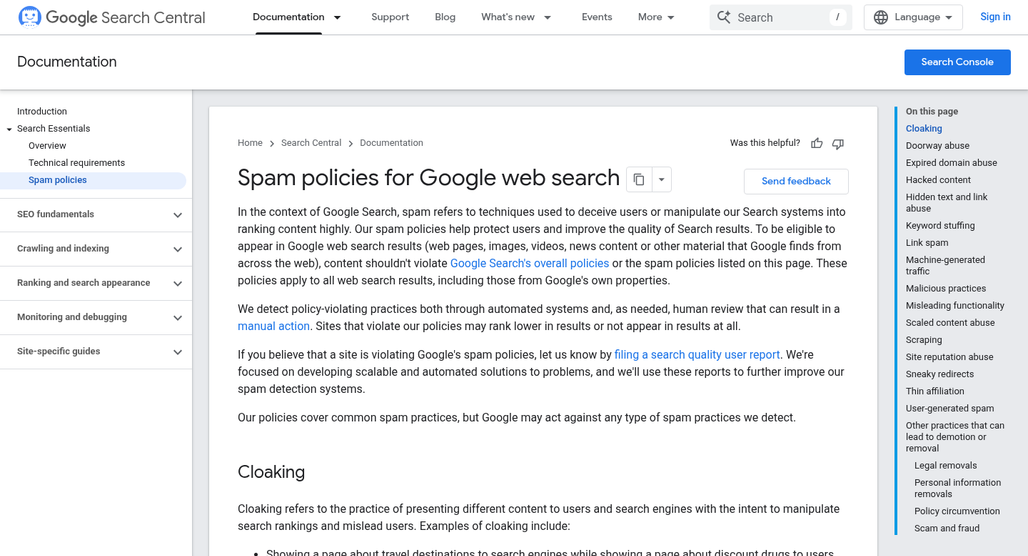
Google Search Console is usually the first stop. If a keyword is picking up steam, you'll see impressions climb before clicks do. That difference between impressions and clicks is worth watching closely because it tells you that more people are being exposed to a query before they can even start engaging with results.
Google Trends is another tool for this - it lets you see if search interest in a term is on the way up, holding steady, or starting to fade. You can also compare related terms side by side, which helps you see where attention is moving within a topic area. There are several methods to extract data from Google Trends if you want to go deeper than the standard interface allows.
Outside of your own data, watch what competitors are doing. A sudden wave of new content targeting the same term is a reliable sign that others have seen momentum building - it does not necessarily mean you are too late to act. But it does mean the window to get in early is probably closing.
Social media chatter is an early warning signal that search data sometimes takes time to catch up on. If a topic is spreading across places like Reddit, X, or LinkedIn, there's a good chance that related search volume is about to follow - this signal is harder to measure. But it gives you a head start. TikTok search data is one underused source for spotting these shifts before they hit traditional keyword tools.
| Signal Type | What It Tells You | How Fast It Appears |
|---|---|---|
| Rising impressions in Search Console | A keyword is getting more exposure in results | Early to mid-stage |
| Google Trends uptick | Search interest is growing over time | Early stage |
| Competitor content increase | Others have identified the same opportunity | Mid to late stage |
| Social media discussion | Public interest is building before search data reflects it | Very early stage |
The difference between early tells and lagging indicators matters more than most give it credit for. By the time a keyword shows up in a trending tool with a big spike, content has usually already been published around it. The earlier you catch movement, the more room you have to work with.
When High Keyword Velocity Works Against You
A keyword gaining search volume fast looks like an opportunity. But the speed itself can be the problem- not the answer.
When a term starts to trend, publishers rush to get something - anything - published before the wave passes. The result is thin content that was written in a hurry and doesn't actually serve the person searching. Google has become quite good at recognizing when a page exists just to chase traffic instead of to answer a question well. That reactive publishing can damage the trust signals your site has built over time.
There's also a timing problem that doesn't get talked about enough. A brand new page targeting a fast-moving keyword has to go through indexing, crawling, and whatever ranking process Google runs it through. That takes time. If a keyword spikes and then fades within a few weeks, a page built around it will probably start to rank just as interest disappears. You did the work and got nothing back for it.
Over-optimization is another trap that comes with chasing velocity. When a keyword is climbing fast, it's tempting to force it into every heading, paragraph, and meta tag. That aggressive targeting triggers spam filters and cuts back on your visibility instead of increasing it.
The more helpful question is whether a keyword is accelerating because people legitimately need information about it, or because it went viral for a bit. These two things look the same in a graph but they cause very different results. A term with a news cycle or a short-lived cultural moment is unlikely to reward a page built around it. A term gaining ground because of a change in behavior or technology is a very different story - more like what you'd find when studying seasonal content patterns.
Panic-driven content decisions come from watching a keyword's numbers increase and feeling pressure to act immediately. That pressure is worth resisting. A poorly executed page published fast will not beat a well-researched page published a week later. In most cases, the slower and more considered strategy produces the better result.
High velocity does not automatically mean high value. The keyword's trajectory matters. But so does the reason behind it. Separating genuine growth from noise is what keeps a content strategy from spending its resources on terms that will not pay off. Understanding which keywords are actually worth targeting is a more reliable way to allocate your effort.
Matching Content Strategy to Keyword Velocity Patterns
Once you know how a keyword is moving, the next step is to match your content format and timing to that movement. Not every keyword deserves the same response, and treating them the same way is where content plans fall short.
Slow, steady climbers are a fit for evergreen content. These are keywords where interest builds slowly over months, so a well-structured post or guide that you update periodically will serve you quite a bit better than a rushed post. The goal here is to build something heavy duty that earns traffic long after you publish it.
Rapid spikes call for a different strategy. When a keyword surges in a short window, you'll have to publish fast and prioritize relevance over depth. This is where newsjacking-style content works - a quick take, a reaction piece, or a focused explainer that speaks directly to what people want to know right now. Speed matters more than polish in these moments.
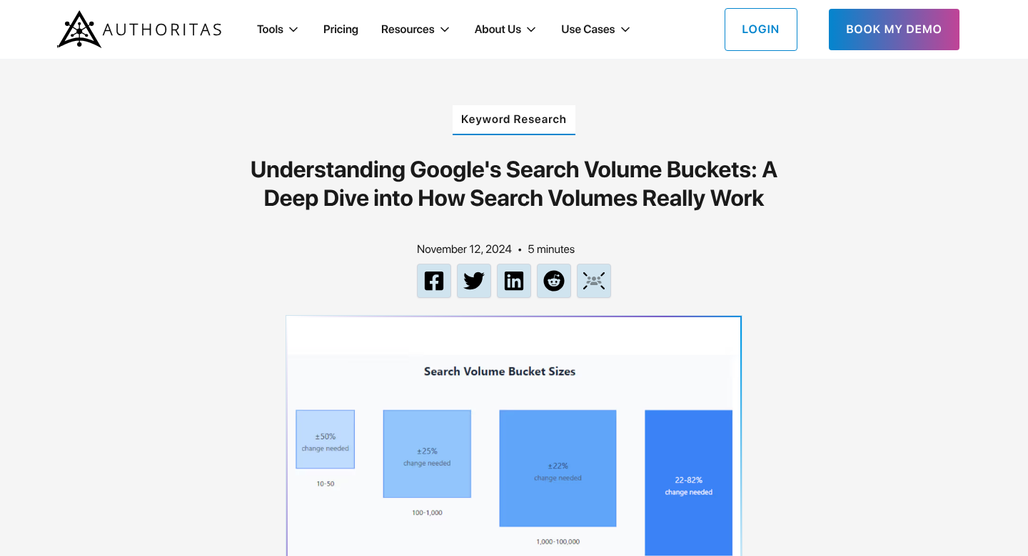
Your editorial calendar should accommodate this - it helps to split your pipeline into two lanes: one for planned, long-term content built around slow movers, and one that stays flexible enough to respond to spikes when they happen. A rigid calendar with no room to pivot will cause you to miss time-sensitive opportunities.
Format and Update Frequency
Velocity also shapes how you format content and how frequently you return to it. A keyword with slow, standard growth might warrant a guide that you revisit every few months to add new information. A keyword with a fast-moving topic could be better served by a short post you can update in time.
It also pays to remember prioritization across your whole content plan. High-velocity keywords shouldn't automatically jump to the top of the queue - but they should factor into where you put your energy in a given week or month. Knowing that a keyword is gaining momentum lets you time your content to land while the interest is still rising instead of after it has peaked.
The deeper benefit of building velocity into your planning is that it turns keyword research from a one-time job into a standard part of how you make decisions. That change transforms how you build and manage content at every stage.
Building an SEO Habit Around Keyword Momentum
It's worth pausing to reflect on your own content pipeline. Are you tracking which keywords in your niche are gaining traction week over week, or only measuring which ones already have the highest volume? There may be topics starting to trend that you're positioned to cover before the competition heats up. Noticing movement early is usually more helpful than chasing terms that have already peaked.
The helpful next step is to choose a handful of keywords relevant to your site and log their search volume and ranking position. Even a basic spreadsheet updated monthly will show patterns that a one-time snapshot never could.

Related Posts



Leave a Comment


Fine-tuned for competitive creators
Topicfinder is designed by a content marketing agency that writes hundreds of longform articles every month and competes at the highest level. It’s tailor-built for competitive content teams, marketers, and businesses.
Get Started