What is a Zero Volume Keyword and Why Should You Care?
 Written by James Parsons • Updated April 15, 2026


Recently, I wrote about a concept called zero-click keywords.
You can read that post for the long version, but the short version is this:
Zero-click keywords are keywords with tangible search volume, but where the answer is provided on the SERPs, so a user has no reason or incentive to click through to a website. Plenty of people ask Google questions like when daylight savings time starts or ends, and are given an answer on the SERPs; no need to go further.
Some zero-click keywords are valuable to target, and that has led to people exploring other kinds of zero-something keywords.
Today, I'm talking about zero-volume keywords. While you can probably intuit what they are, is there some trick to using them or any value to be found in them? It's worth exploring, so let's dig right in.
Key Takeaways
- Zero volume keywords fall into three types: truly worthless non-keywords, hyper-niche low-volume keywords, and brand-new emerging keywords.
- Tools like Google Keyword Planner label keywords under 100 monthly searches as zero, even when they have real traffic potential.
- Hyper-niche zero volume keywords offer near-guaranteed first-page rankings due to virtually no competition.
- New keywords with zero volume can explode in value if you publish early and build supporting content around them quickly.
- Zero volume keyword targeting is most beneficial for small or new websites trying to gain their first foothold in search rankings.
What are Zero Volume Keywords?
One of the main metrics we marketers look at when we're evaluating keywords is their search volume. Search volume is, simply put, the number of people who are putting that keyword (or one close enough to it) into Google each month.
The higher the search volume, the more popular the keyword is. This is often, but not always, aligned with how generic the keyword is. More people are searching for "hamburgers" than "gourmet olive burgers" each month.
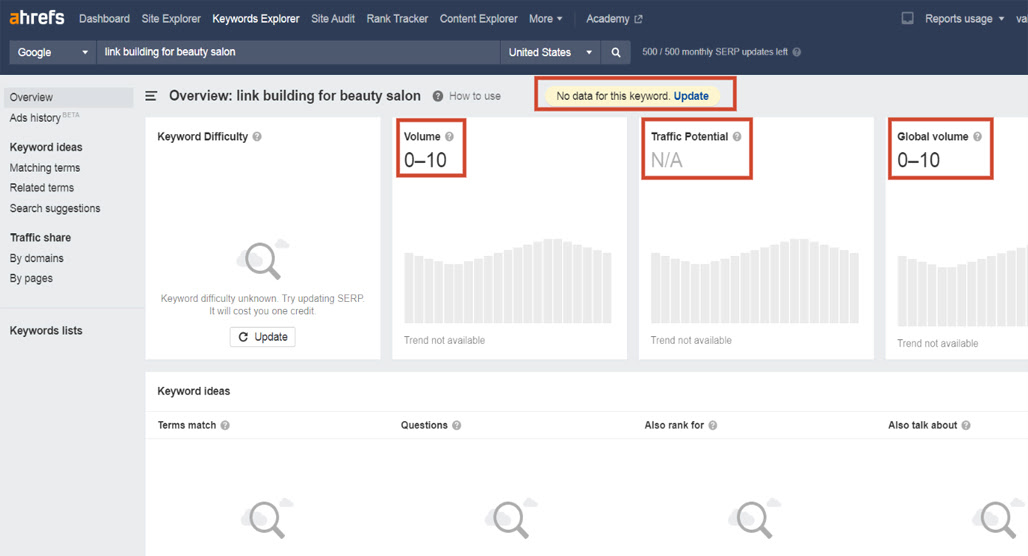
Conversely, the lower the search volume, the fewer people are searching for it. Something like "hjilkingatdshrop" is a zero-volume keyword because it's not anything; it's a keyboard smash no one would use and no one would ever use. If you're curious how to identify and target these kinds of terms strategically, check out our guide on how to find zero-click keywords worth targeting.
At least, that's the simple way of looking at it.
Two Kinds of Zero Volume Keywords
There are actually different kinds of zero-volume keywords.
The first kind of zero-volume keyword is the truly zero keyword, or non-keyword. The keyboard smash example above is one of these. It's not a keyword anyone would ever search for; there's no reason for it to exist as a keyword or be indexed as such, and if you wrote a blog post targeting it, you'd get zero traffic because there's no reason anyone would ever search for it to find it. Obviously, these are pretty much worthless to you.
The second kind of zero-volume keyword is the hyper-niche keyword. These are keywords that are very low volume, but not actually zero volume. I'll go into why that's the case in the next section, but the fact is, these can get you some serious traffic and are nearly automatic rank-1 posts when you publish because the competition is essentially zero.
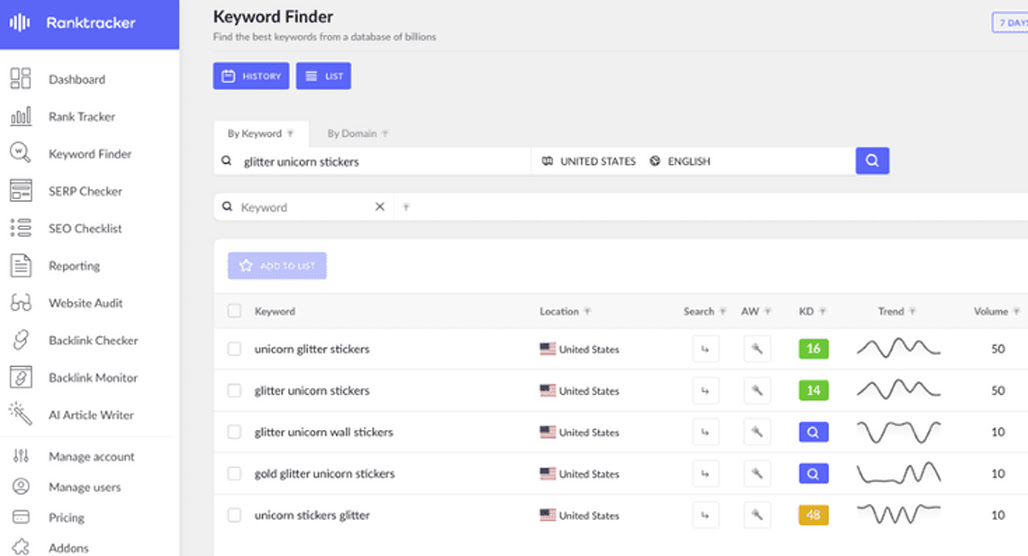
A few different kinds of keywords can fall into hyper-niche keyword lists.
- Extremely local for very small regions. A keyword targeting the main restaurant in a town of 200 people isn't going to have a high search volume.
- Very specific questions, like how to accomplish a rare task in a niche program's older version that isn't well-documented.
- Algorithmic keywords, like Google's autocomplete when it suggests something that isn't really accurate or relevant.
Many of these can be valuable to target, though you're playing more of a numbers game.
The third kind of zero-volume keyword is the brand-new keyword. Before OpenAI released its LLM, no one would have searched for ChatGPT. No one was searching for COVID-19 before 2020. If you can get in on the ground floor before interest skyrockets and the keyword is still zero volume, you can be positioned to capture a ton of traffic.
Why Are Some of These Called Zero Volume?
Other than the truly nothing keywords, why are these called zero volume when they clearly have some volume?
It has to do with how keyword volume estimators work.
Volume estimators work in two different ways.
One is the Google way. Google's keyword planner is usually the biggest and most-used keyword volume tool out there, because getting data directly from Google is more reliable than getting it from a third party, or so the theory goes.
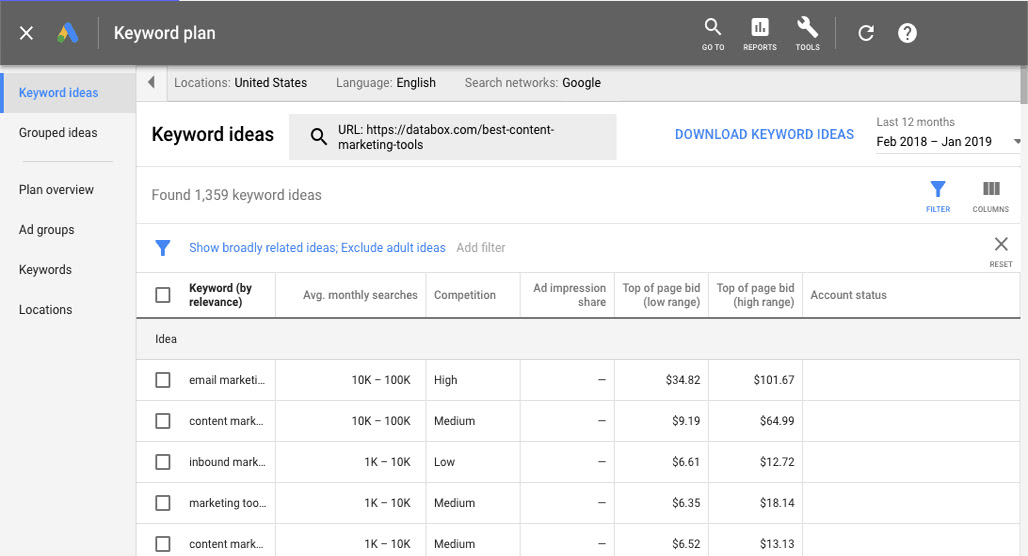
There are a few drawbacks to this that people don't realize, though.
- It uses broad ranges. I've talked about this before, but Google will tell you a keyword has search volume in the range of "100K - 1M", but how useful is that, really? The difference between 110K and 900K is very significant, but they both fall into that group. Moreover, the lowest range is 100-1K; anything under 100 is listed as zero, even if it's not actually zero.
- It uses estimations and averages. Google has an immense amount of data, but they don't really process a lot of it with any degree of specificity. It would be too much of a processing burden for too little value to their customers. It's the same reason why traffic in Google Analytics is estimated from samples.
- It's focused on ads. This is the big one: a keyword could have a surprisingly high search volume, but if it's not something anyone ever wants to buy ads for, it can show up as zero volume because of it.
That's for Google; what about the other kind of estimators?
Third-party tools like Ahrefs, Semrush, and the like all have their own ways to estimate keyword search volume. Not only do they have to use sampling methods, but they also have more limited processing power than Google. Keywords under a certain level of importance and activity might simply be ignored and labeled zero volume when they aren't. If you're curious how reliable these estimates can be, see our guide on Semrush traffic estimate accuracy.
And, of course, there are niche reasons as well. A keyword that is too new will show as zero volume because the data hasn't been updated yet.
Can Zero Volume Keywords be Worth Targeting?
The answer is yes, certainly. But that's because not all zero-volume keywords are truly zero volume. Don't target keyboard smash keywords and assume you'll get any traffic from them.
Generally speaking, I divide zero-volume keywords that are worth targeting into two piles.
- Keywords with very low but non-zero volume.
- Keywords that are new and poised to take off.
This aligns with the two kinds I listed above.
Both of these have their uses as part of a content marketing plan.
The Value in Targeting Ultra-Low Volume Keywords
VLV (very low volume) keywords often show up in analytics platforms as zero volume because there's no point in having more precision for them. Finding them can be a guessing game, but once you know where to look, it's easier than you might think.
Where is the value in targeting them? After all, if a keyword only gets under a dozen searches per month, that's not a lot of traffic coming into your site. If it takes the same amount of effort to write content for a keyword with 1,000 or 10,000 searches, why aim for the one with 10?
You can effectively reach a very niche audience. While there aren't many people searching for very low-volume keywords, those people are often doing so for a reason. It might be a hyper-specific interest or niche hobby. It might be a narrow bit of troubleshooting or support for a niche product. It might just be a topic not many people care about, but with fanatical fans.
By targeting these keywords effectively, you can earn a powerful place in these niche communities, and that can snowball into other related keywords or interests. It's a great way to build trust with a group of people who aren't used to having any attention at all.
You can easily outdo what little competition exists. Low volume and low competition go hand-in-hand. If there are any existing posts on the topic at all, they're likely to be things like questions with no answers on Reddit, old forum posts, or references to now-defunct sites or products. It's pretty easy to outdo these with a modern resource and capture, effectively, 100% of the search volume for that keyword.
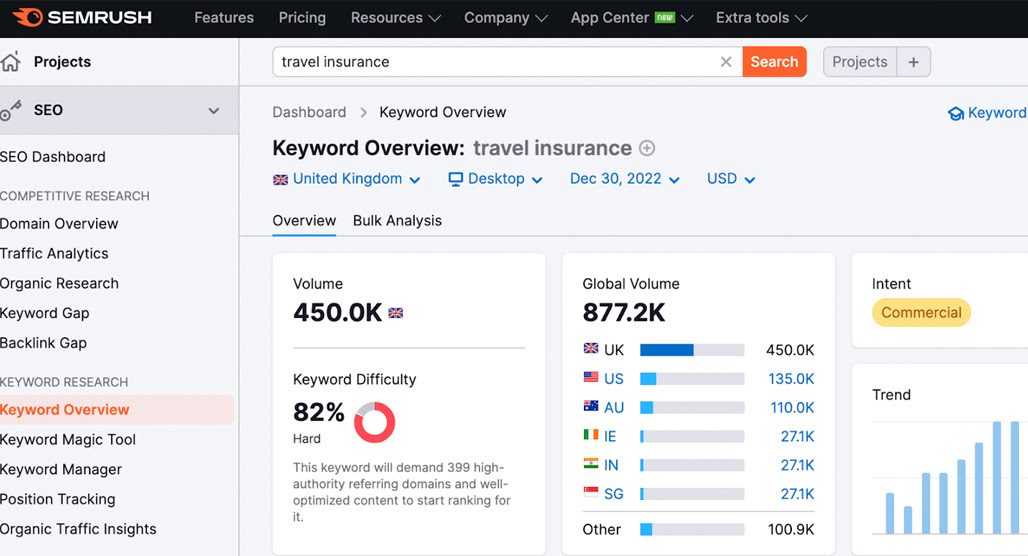
You can add more #1-ranking posts to your catalog. While it isn't exactly that impressive ranking #1 for a keyword with no competition, that doesn't matter as much to the computers as it does to people. Google's algorithm does tend to reward sites that show up at the top of the search results more often, in a sort of self-sustaining feedback loop. By capturing first place in a lot of smaller keywords, you can leverage that benefit for higher-competition keywords.
You build small but meaningful backlinks. Building backlinks is hard, and the more you can get them from varied sources, the better off you'll be. Niche topics have niche authority sites, but those people are often excited to have a new resource to talk about, and your posts can turn into micro-linkbait.
You get small but enduring traffic from each post. Most of these kinds of very low-volume keywords were, at one point, higher-volume keywords. The fact that they still get any volume at all means they're at least somewhat evergreen, and that evergreen nature means the traffic you get from it will be fairly stable.
One or two of these aren't going to make a huge difference, but if you have a few hundred, suddenly you have some respectable traffic coming from them.
The Value in Targeting Very New Keywords
On the other hand, you have keywords that are poised to explode. These are keywords that have zero volume now, but in a few weeks or months, might have thousands or even millions of searches. Like I said, no one searched for ChatGPT a few years ago, but now, as a keyword, it has 55 million monthly searches.
If you had been one of the first people to write about ChatGPT back when it first launched, that's a surge in traffic and interest you can use to build up your thought leadership and authority on the subject.
This is actually almost identical to targeting keywords that are poised to explode as trends. The difference is that trending keywords are often keywords that already exist and have some value, which means they have some existing competition before they explode.
With very new keywords, there's nothing out there because they didn't exist.
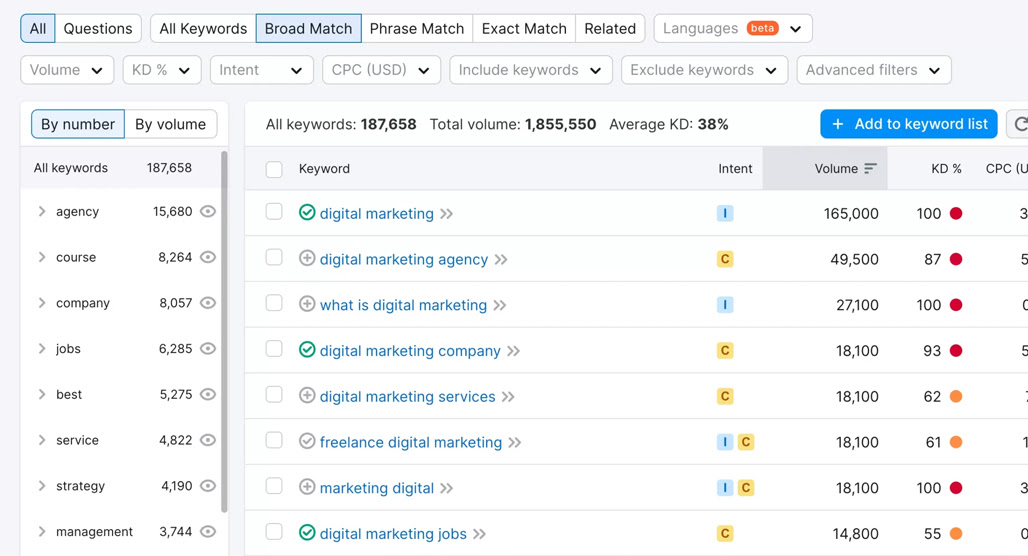
This is also, by the way, why a lot of marketers try to coin new terms for new topics. The concept of SEO targeting generative AI has half a dozen names, like AIO and AISEO and GEO, and the one that finally ends up adopted will benefit the person who coined it most of all.
You do have a lot of work ahead of you if you want to capture that position of authority, though. Publishing one post and hoping to ride on it will work for a few days, or maybe a few weeks, but once others catch onto the fact that you aren't capitalizing on it, they'll swarm it like flies.
You essentially need to turn your well-timed post into a pillar and support it with a variety of other content, even pivoting part of your marketing strategy to capture the value from the surging keyword.
When done right, these kinds of zero-volume keywords can be insanely valuable, but when done wrong, they're similar to viral posts on social media: good for a few days, then gone.
Finding Zero Volume Keywords to Target
Actually finding zero-volume keywords is a little harder than you might think, solely because you can't just blindly trust and target anything with zero volume on a keyword analyzer. Many of those are, truly, zero volume, and then you're just wasting your time.
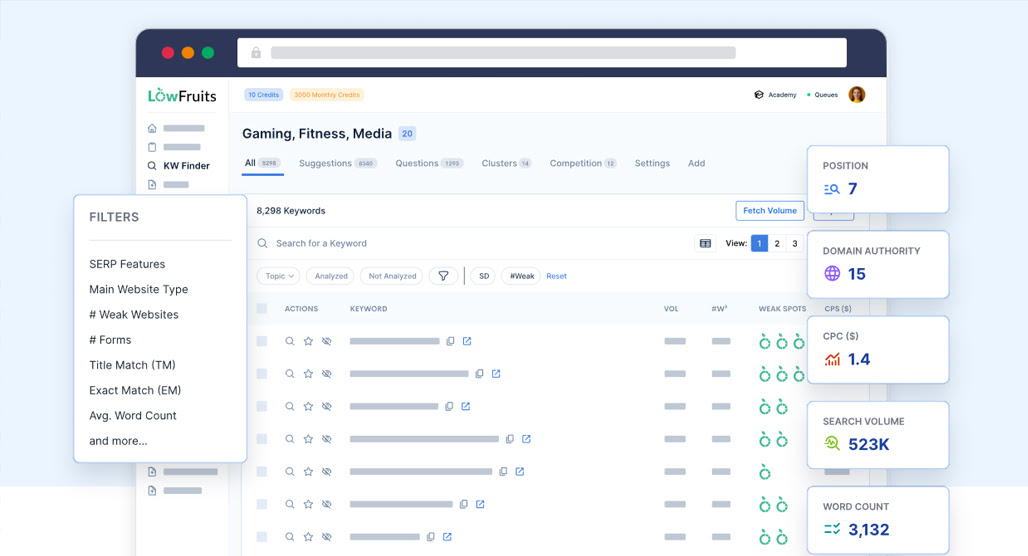
Unfortunately, there's no easy answer here. You need to be able to analyze a keyword as much by vibes as by metrics, because the metrics aren't always representative. Some tools specialize in this, like LowFruits, but even then, you need to be able to use your best judgment.
I often start by looking at the keywords that bring people to my site. A lot of them are keywords I intentionally targeted, but some of them are semantic search keywords and related keywords that I didn't target. The alternative keyword might show as zero volume, but it's potentially useful.
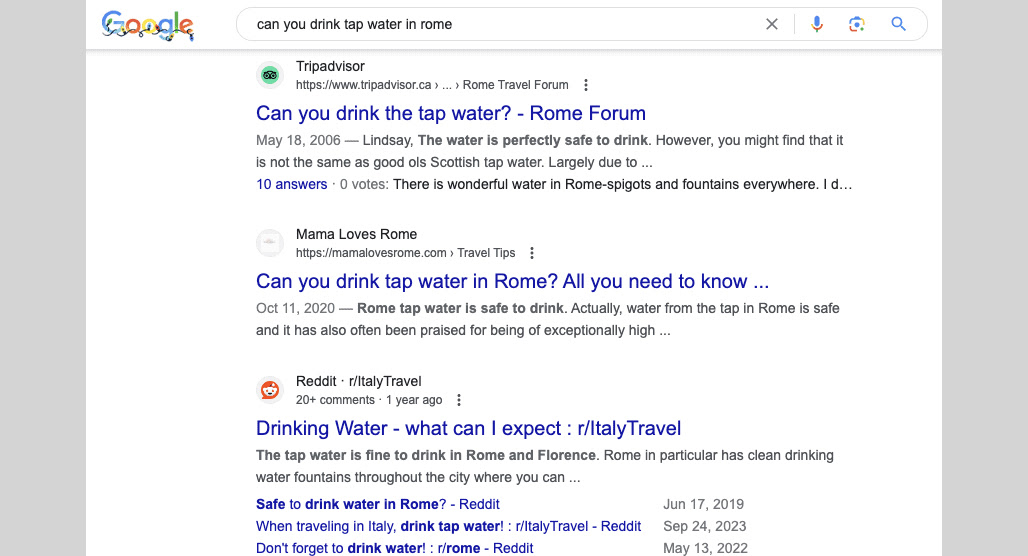
You can also look for Q&A formats online. Quora, Reddit, web forums, social media; anywhere people are asking questions, there will be questions that go unanswered. Oftentimes, those are zero-volume keywords because the questions are so niche.
If the questions are simple enough, you won't find room to write whole posts about them. That's where an FAQ-style post or resource can come in handy, aggregating multiple very low-volume keywords into one resource.
I also recommend taking a look at the kinds of keywords that show up in tertiary search enhancements. Google's autocomplete is commonly used, but the People Also Ask box, and even some of the related information provided by the search generative experience can put you on the right track.
Should you spend time targeting zero-volume keywords?
This is a trickier question to answer.
I find that this is a very good strategy for small and new websites. If you look at a keyword that has 1,000 monthly searches and the competition is stiff for you, aiming lower is a good way to get a foot in the door.
I also find them useful as a sort of background value engine. Not every keyword can be a winner, and it can feel bad if you're constantly shooting for the stars and missing. Getting some easier wins can be good for the soul.
If you're already a big-name site, though, it won't help much. If the amount of value you would get out of it is within the margin of error in your metrics, I wouldn't bother, except for the potentially viral new keywords, and then only if you can really capture them as part of your overall niche.

Related Posts


Leave a Comment


Fine-tuned for competitive creators
Topicfinder is designed by a content marketing agency that writes hundreds of longform articles every month and competes at the highest level. It’s tailor-built for competitive content teams, marketers, and businesses.
Get Started