What Are the Differences Between Head, Middle, and Long-Tail Keywords?
 Written by James Parsons • Updated June 7, 2026

That difference comes down to keyword type. In SEO, keywords are usually grouped into three categories: head, middle (sometimes called "mid-tail"), and long-tail - and each one sits at a different point on the search volume spectrum, and each comes with its own set of trade-offs between traffic potential and ranking difficulty.
Understanding how these categories work - and when to use each - is one of the most helpful things you can do to sharpen your content strategy. The sections below break down what separates these three keyword types and how to put that knowledge to work.
How Keywords Get Sorted Into Three Tiers

Every keyword you could ever target falls into one of three groups, and the main things that separate them are length, specificity, and how many people search for them each month. A feel for how these tiers work makes the rest of keyword strategy much clearer.
At the top, you have head keywords. These are short, broad terms - usually just one or two words - that pull in giant search volumes. Think "shoes" or "insurance." A huge number of people search for them. But no one looking for "shoes" has told you much about what they actually want.
The middle tier goes by a few names: chunky middle, torso, or just mid-tail. These are phrases that run two to three words long and carry more context than head keywords do. Someone searching "running shoes for women" has told you something useful, and that extra detail is what puts a keyword in this category.
Then there's long-tail keywords, which are longer phrases - usually four or more words - that get into specifics. "Best waterproof running shoes for flat feet" is a long-tail keyword, and each one draws a smaller audience. But the person searching it knows what they want.
The split between these tiers is worth learning about. Experian's research found that long-tail keywords make up around 70% of all search traffic. But the chunky middle accounts for about 11.5% and head keywords sit at roughly 18.5%. That overview tells you something that matters about where search activity actually lives.
| Tier | Typical Length | Search Volume | Share of Traffic |
|---|---|---|---|
| Head | 1-2 words | Very high | ~18.5% |
| Chunky Middle | 2-3 words | Moderate | ~11.5% |
| Long-Tail | 4+ words | Low per keyword | ~70% |
Each tier has a different role to play, and none of them is a straight replacement for the others. The sections ahead break down what each one does well and where it falls short.
What Head Keywords Win at (and Where They Fall Short)
Head keywords are the short, punchy terms - usually one or two words - that pull in giant amounts of traffic every month. Think "shoes," "insurance," or "coffee." These are the terms businesses instinctively want to rank for because the numbers look so impressive.
And the numbers are big. Search volumes in the hundreds of thousands per month are not unusual for the most competitive head terms. But here is the thing that puts those numbers into perspective: only around 31,000 keywords in Ahrefs' U.S. database actually exceed 100,000 monthly searches. That is a small fraction of the billions of keywords tracked.
So the prize is smaller than it looks, and the competition to win it is fierce. Established businesses with massive budgets and years of authority have already planted their flags on most high-volume head terms. A newer site trying to rank for "shoes" is going up against Nike, Amazon, and dozens of other retailers who have been building domain authority for decades.
There is also a more basic problem with head keywords - intent. Someone who searches "shoes" could be a researcher, a bored browser, or a person who is ready to buy. You can't tell. That ambiguity is an issue for businesses that want to draw visitors who will take action.
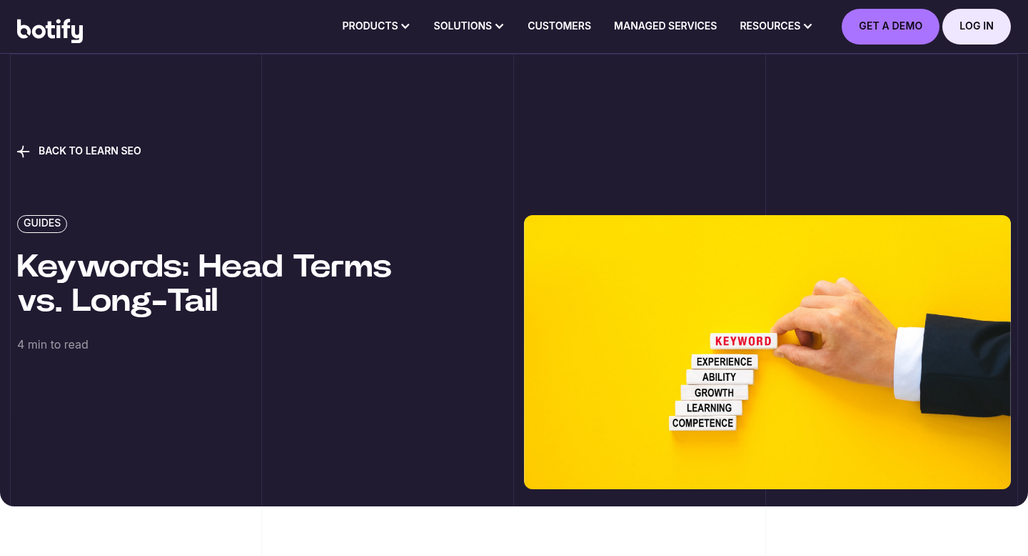
Ranking for a term that brings thousands of visitors is only worthwhile when the people behind those searches have a reason to care about what you have to say. Traffic volume matters only when it connects to intent. High-intent blog posts are one way to make that connection work in your favor.
Head keywords do have legitimate uses. They work well for brand awareness campaigns, editorial content that targets a large audience, and situations where reach matters more than conversion. A publisher trying to grow readership has different goals than an e-commerce store trying to sell products.
But for most businesses, chasing head keywords without thinking about intent is a way to spend effort for very little return. The volume is real. The competition is brutal. The visitors that arrive might not be the right ones. That part is far less appealing than the search numbers suggest.
The Middle-Tier Keywords Most Strategies Overlook
Middle-tier keywords - sometimes called chunky or torso keywords - sit between the large single-word terms and the very longer phrases. They usually run two to three words and pull in a moderate amount of search traffic. Most keyword strategies skip right past them.
That happens because it's easy to get pulled toward extremes. Head keywords feel great because of their volume, and long-tail keywords feel like the targeted play. The middle tier ends up treated like a compromise no one asked for.
But that framing undersells what these keywords do for a site that's still building authority. A phrase like "running shoes women" or "email marketing tools" has search volume without the brutal competition of a single-word term. You're not fighting the biggest names in your industry for every click.
This is where growing sites can find traction faster than they would by going after head keywords alone. The competition at this level is real, but it's not the same wall you run into at the top. A well-structured page with focused content can rank here without needing years of backlinks behind it.
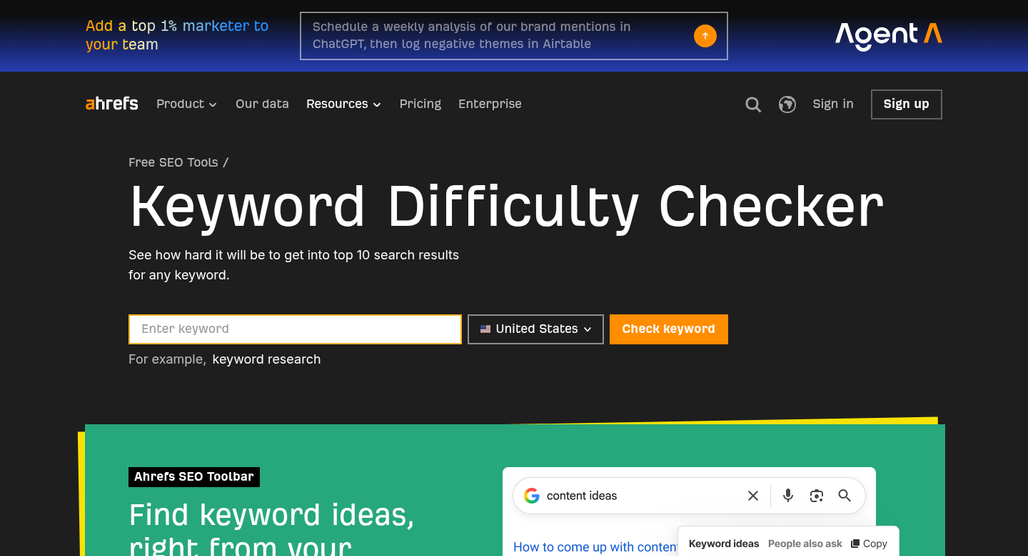
Middle-tier keywords also tell you something more helpful about what a person wants. Someone searching "project management software" has moved past general curiosity and is closer to a choice or a comparison. Building a keyword list for comparison pages works especially well at this tier for exactly that reason.
That added context makes it easier to write content that actually matches what the reader needs. You're not guessing at intent the way you have to with a one-word term. The search phrase itself gives you more to work with.
Another reason this tier gets passed over is how keyword tools present data. High volume numbers are fun to look at and easy to prioritize. A keyword pulling in fifteen thousand monthly searches grabs attention in a way that one pulling in eight hundred never will - even if the eight-hundred one is far more attainable to rank for. Tools like KeySearch can help surface these mid-range opportunities that bigger platforms tend to bury.
The gap that creates is an opportunity. When everyone in a space chases the same high-volume targets, the middle tier opens up. Fewer competitors means your content has more room to rank without needing to be the single best resource on the entire internet. Running an Ahrefs content gap analysis is one practical way to spot exactly where those openings exist.
Why Long-Tail Keywords Drive More Buying Decisions
The numbers here are worth sitting with. Long-tail keywords account for 91.8% of all Google searches, and pages that target them move up an average of 11 positions in rankings compared to just 5 for head terms. That gap is not a coincidence.
Long-tail keywords also carry a 36% average conversion rate. To put that in perspective, most head terms convert at a fraction of that. The reason comes down to intent, and it's worth unpacking.
When someone types a short word like "shoes" into Google, they could be doing almost anything. They might want to browse photos, read the history of footwear, or find a store near them. There is no way to know what they actually want. But when someone searches "buy waterproof trail running shoes for wide feet," they have already made decisions. They know what they want, they know their constraints, and they are close to a buy.

That specificity is why longer searches convert well. 56% of buyers use three or more words in their searches when they are ready to act. The search phrase itself tells you where that person is in the process. Understanding buyer intent topics that make money can help you map the right content to each stage.
Around 92% of all keywords get 10 or fewer monthly searches. That sounds discouraging. But it works in your favor - it means the long-tail space is giant and mostly untapped. A single page might not pull thousands of visitors. But it can pull the right visitors - the ones who are ready to buy, book, or sign up. Tools that help with buyer intent analysis make it easier to find exactly these kinds of opportunities.
| Metric | Head Keywords | Long-Tail Keywords |
|---|---|---|
| Share of all searches | Low | 91.8% |
| Average conversion rate | Low single digits | ~36% |
| Average ranking gain | ~5 positions | ~11 positions |
| Buyer intent signal | Weak | Strong |
Intent is the thread that connects all of this. A longer, more descriptive search is usually a more purposeful one. The person has narrowed down what they want and is looking for the right place to get it.
Picking the Right Keyword Mix for Where You Actually Are
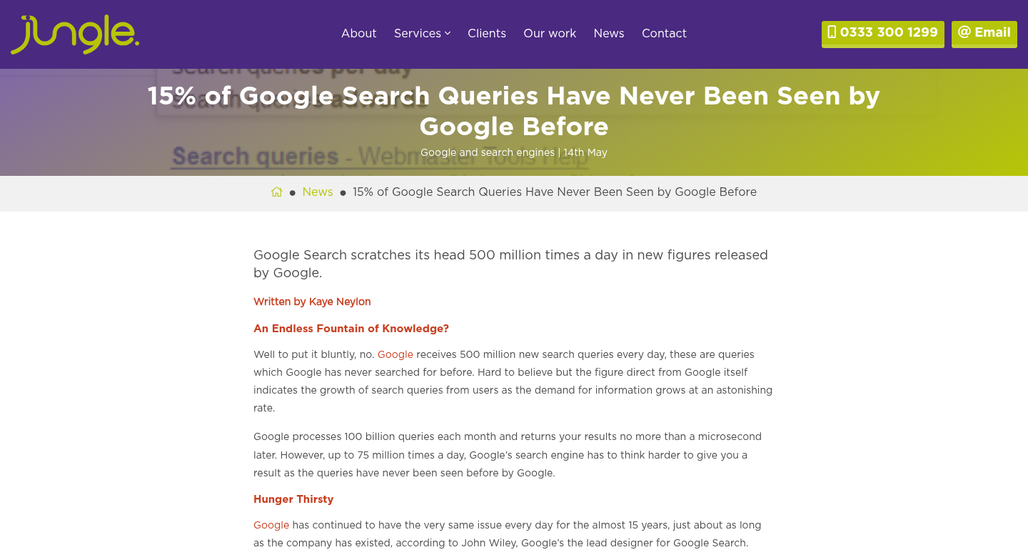
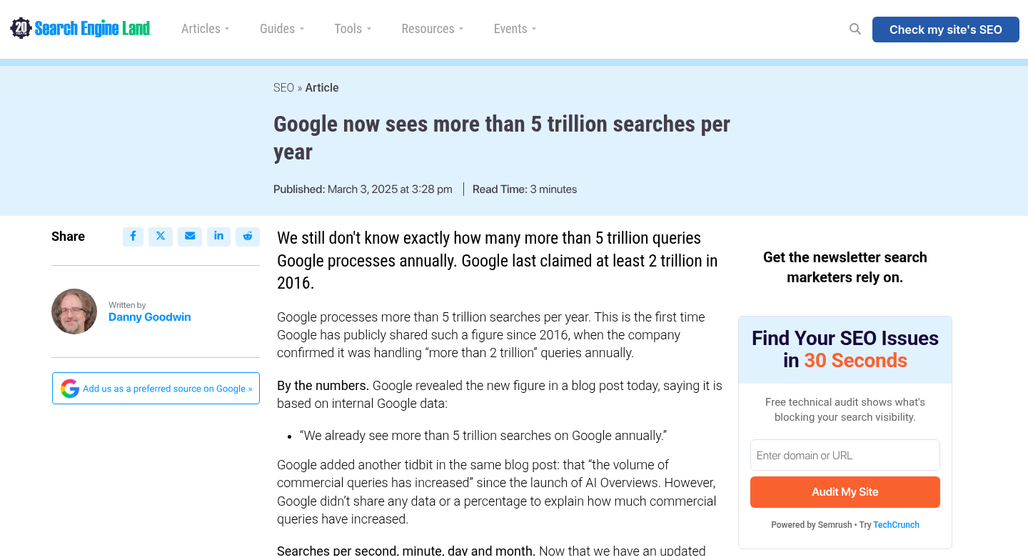
It's also worth remembering that the keyword landscape itself never settles. Google still reports that roughly 15% of searches are queries it has never seen before - which means no keyword list is ever complete; it's not a reason to feel overwhelmed; it's a reason to stay curious and tune in to how your audience talks about what they need.
Before changing your strategy, it helps to sit with a few honest questions:
- Does your current content reflect the authority level your site has actually earned, or are you reaching for terms you haven't built credibility for yet?
- Are you writing for searchers who are ready to act, or for those still early in the discovery phase - and does your keyword mix reflect that?
- When you look at where your pages currently rank, do those positions align with where you actually want to show up?
Your answers will tell you more about your next step than any general rule about keyword tiers ever could.

Related Posts

Leave a Comment


Fine-tuned for competitive creators
Topicfinder is designed by a content marketing agency that writes hundreds of longform articles every month and competes at the highest level. It’s tailor-built for competitive content teams, marketers, and businesses.
Get Started